
Broken Garage Door Springs
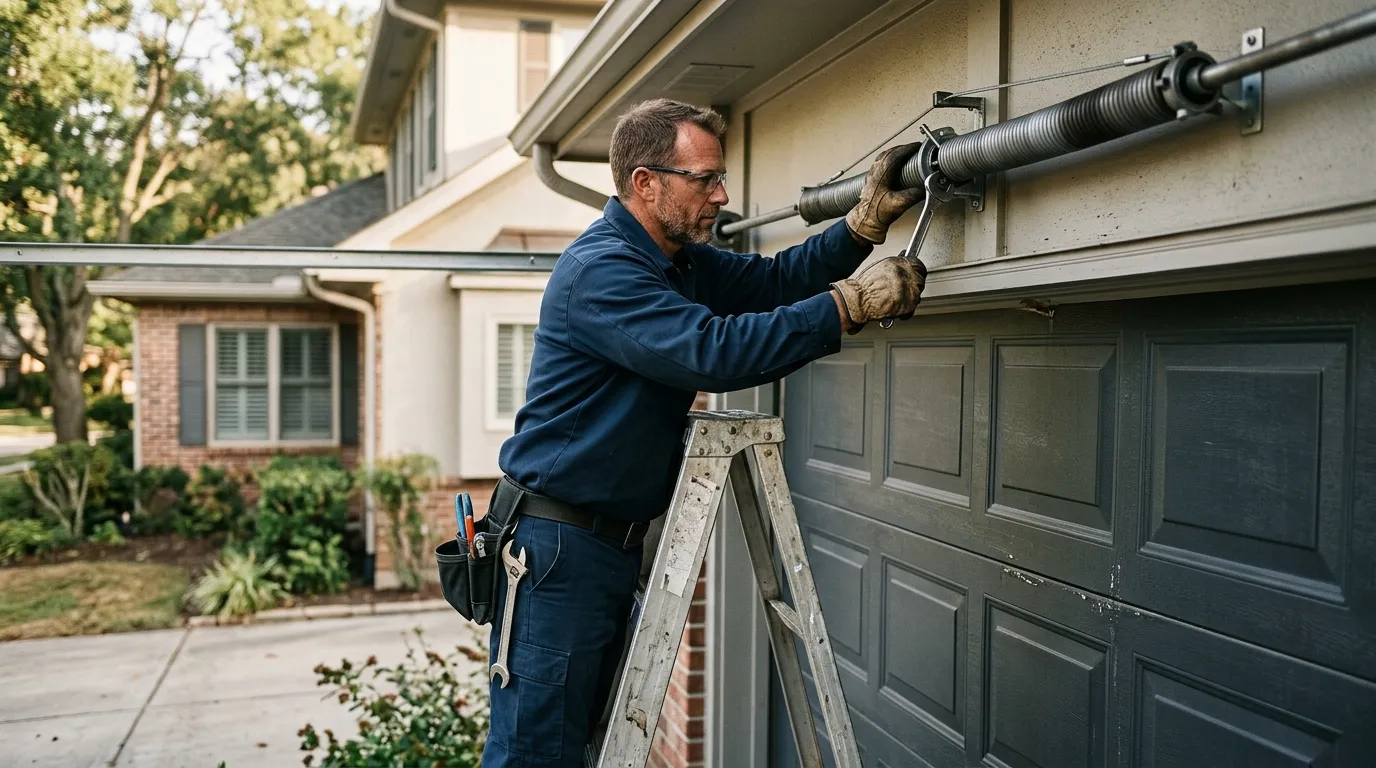
Torsion springs eventually reach the end of their useful cycle life after years of repeated opening and closing.
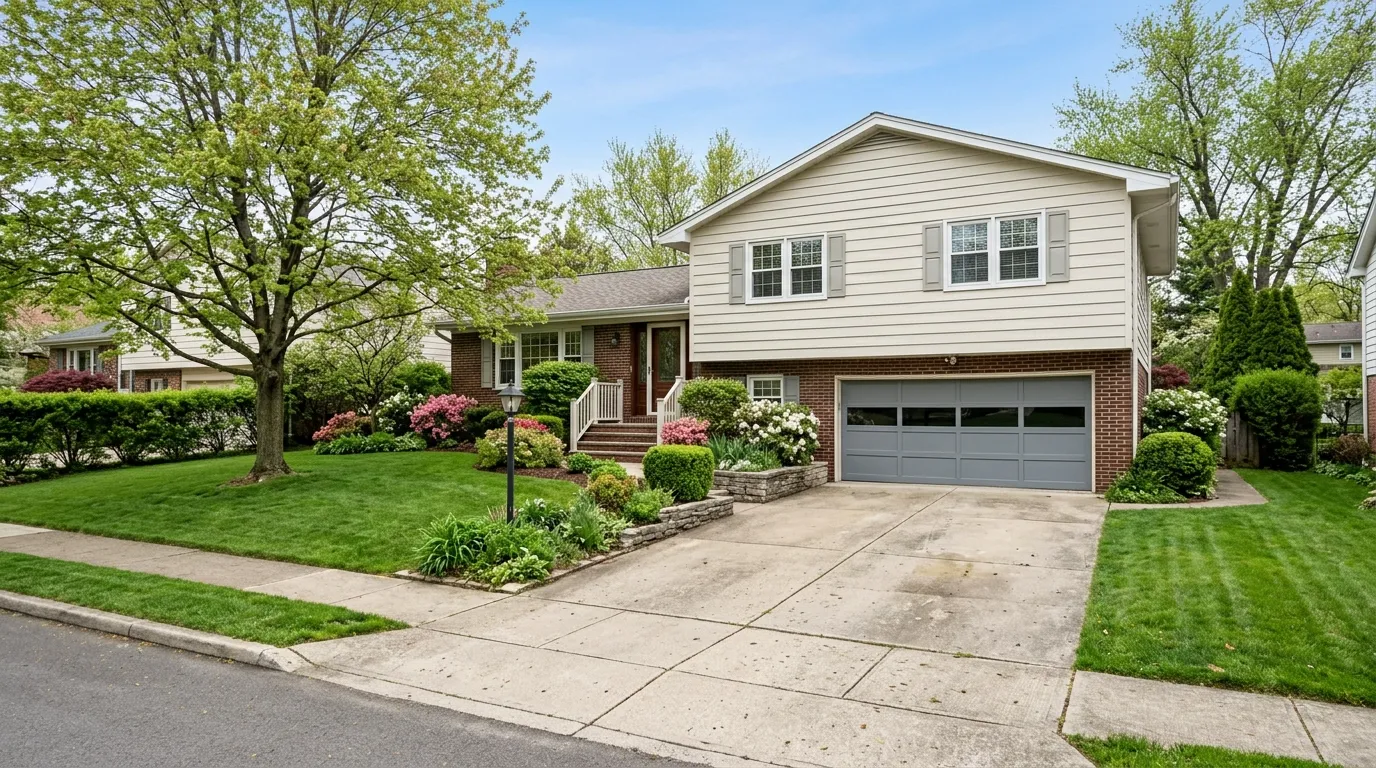
Local garage door service · Shreveport, LA
Garage door repair and installation for Shreveport homes built mostly between 1981 and 1996, covering off-track repair, opener installation, opener repair, roller replacement, spring repair, and the torsion systems common across the area's 1980s- and 90s-era housing stock.
Garage door services
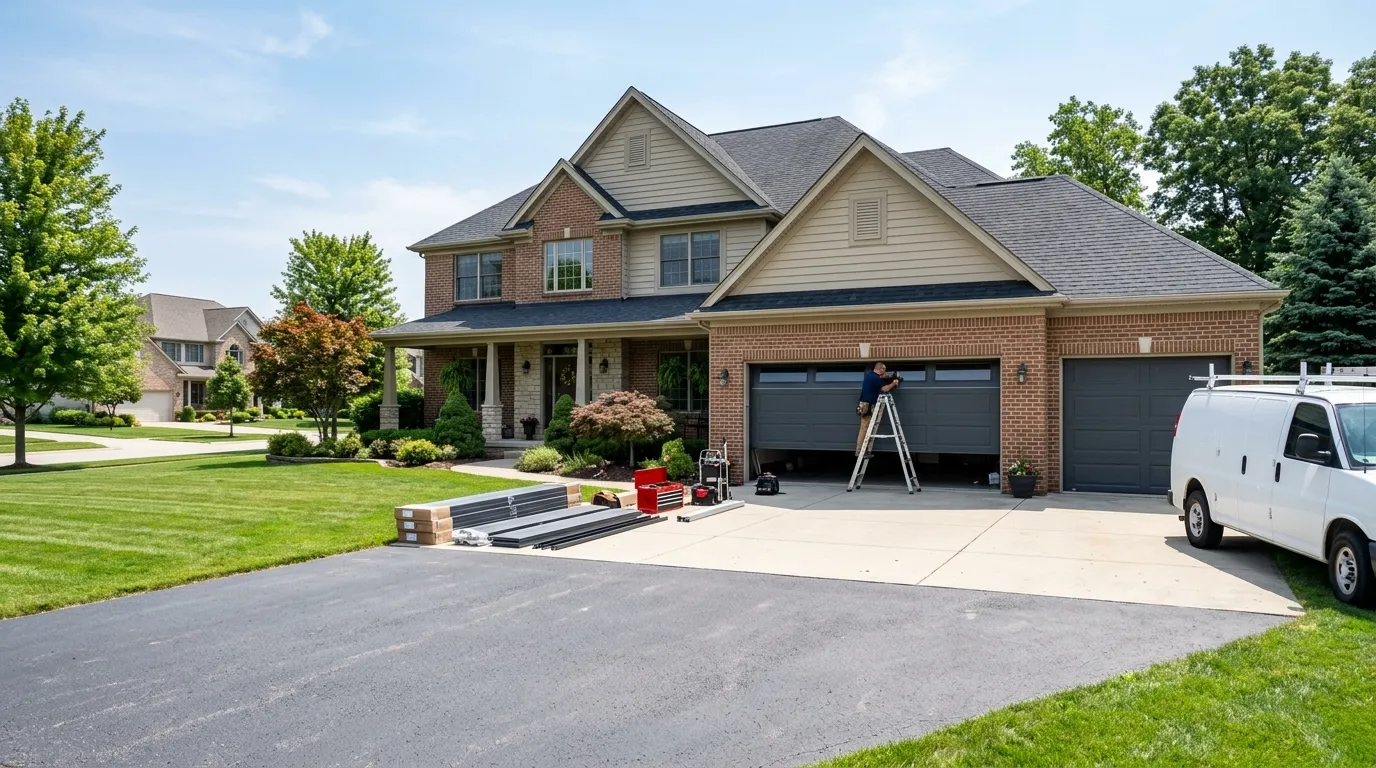
From installation and general repair to opener work, off-track service, roller replacement, and spring repair, the lineup is built around the systems common across Shreveport's 1980s- and 90s-era housing stock.
Common Shreveport garage door problems
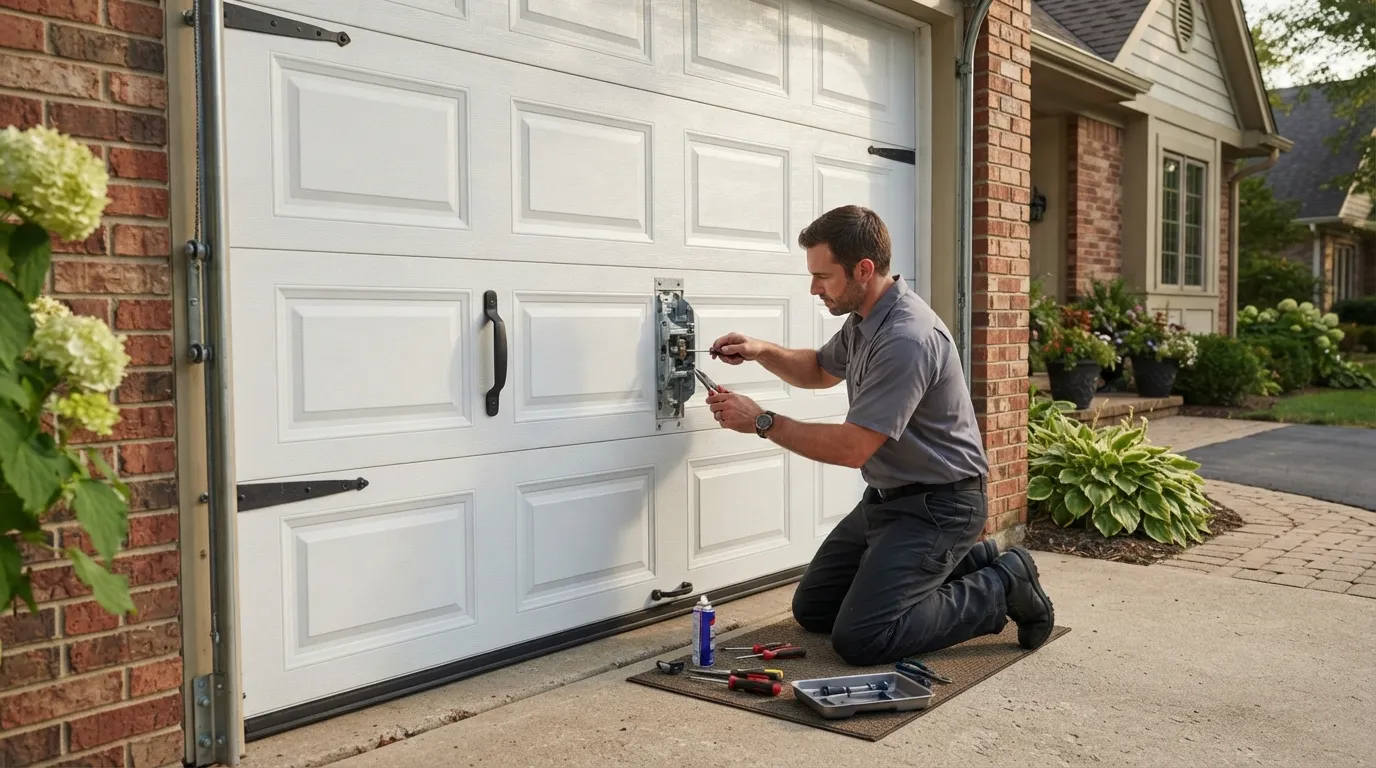
Worn torsion springs, aging chain-drive openers, roller and track problems, off-track doors, and panel deterioration make up much of the work across Shreveport's 1980s- and 90s-era housing stock. Torsion spring failure is a recurring problem on garage doors that have accumulated decades of regular opening and closing; original or older chain-drive openers develop worn gears, motor problems, logic-board issues, or other failures as components age; rollers, hinges, tracks, and cables wear over time and contribute to rough travel or off-track problems; and bottom panels on older steel doors develop corrosion or structural deterioration after years of moisture exposure. Homes predating the dominant 1981–1996 build window may use less-common hardware that requires additional sourcing.
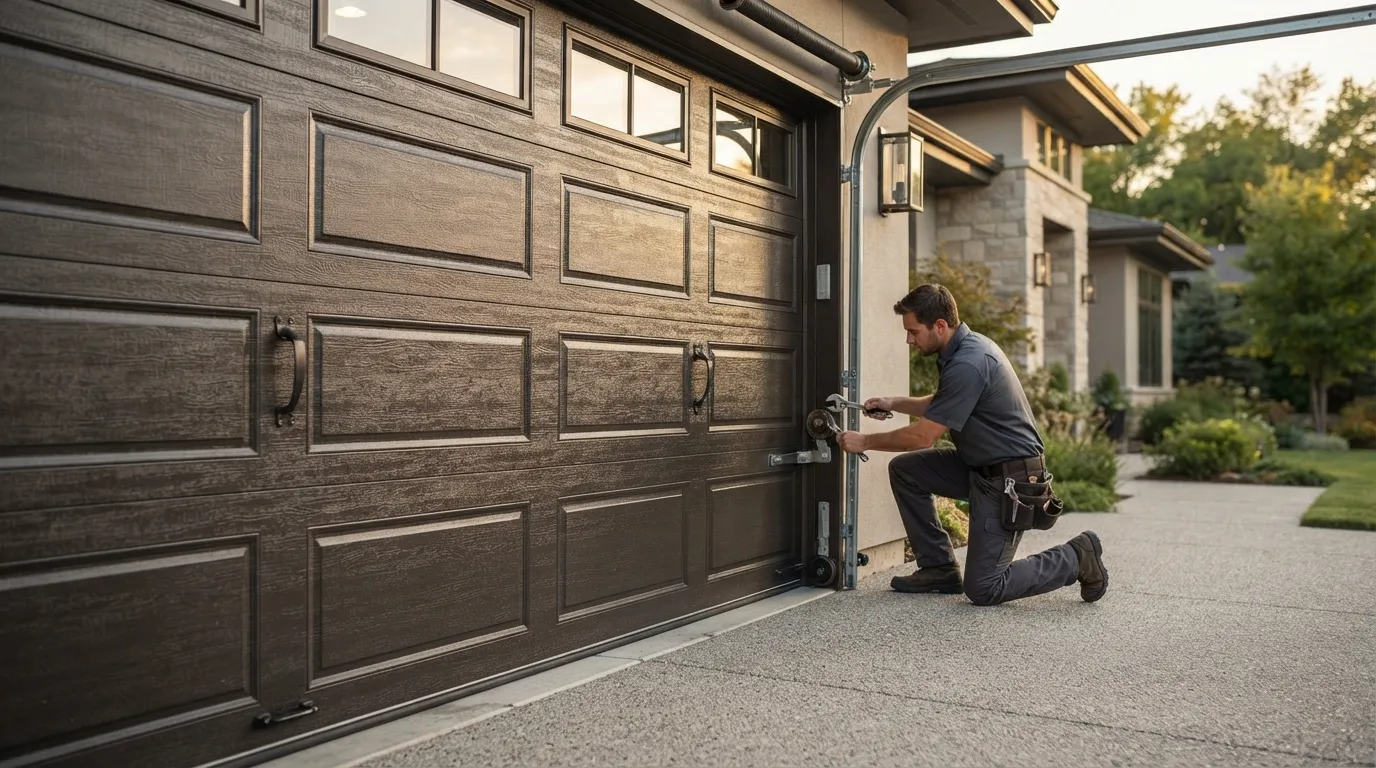
Torsion springs eventually reach the end of their useful cycle life after years of repeated opening and closing.
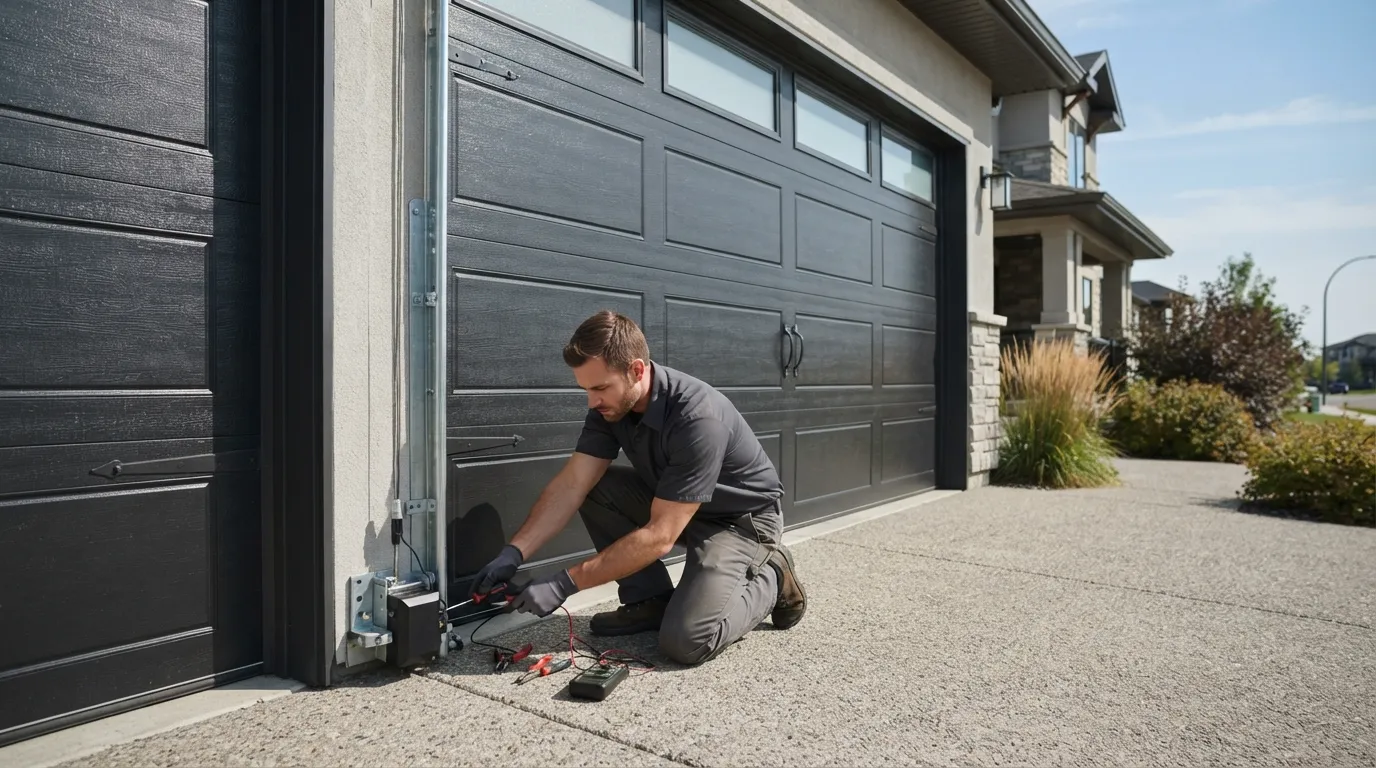
Older opener gears, motors, boards, controls, sensors, and drive components can eventually develop operating problems.
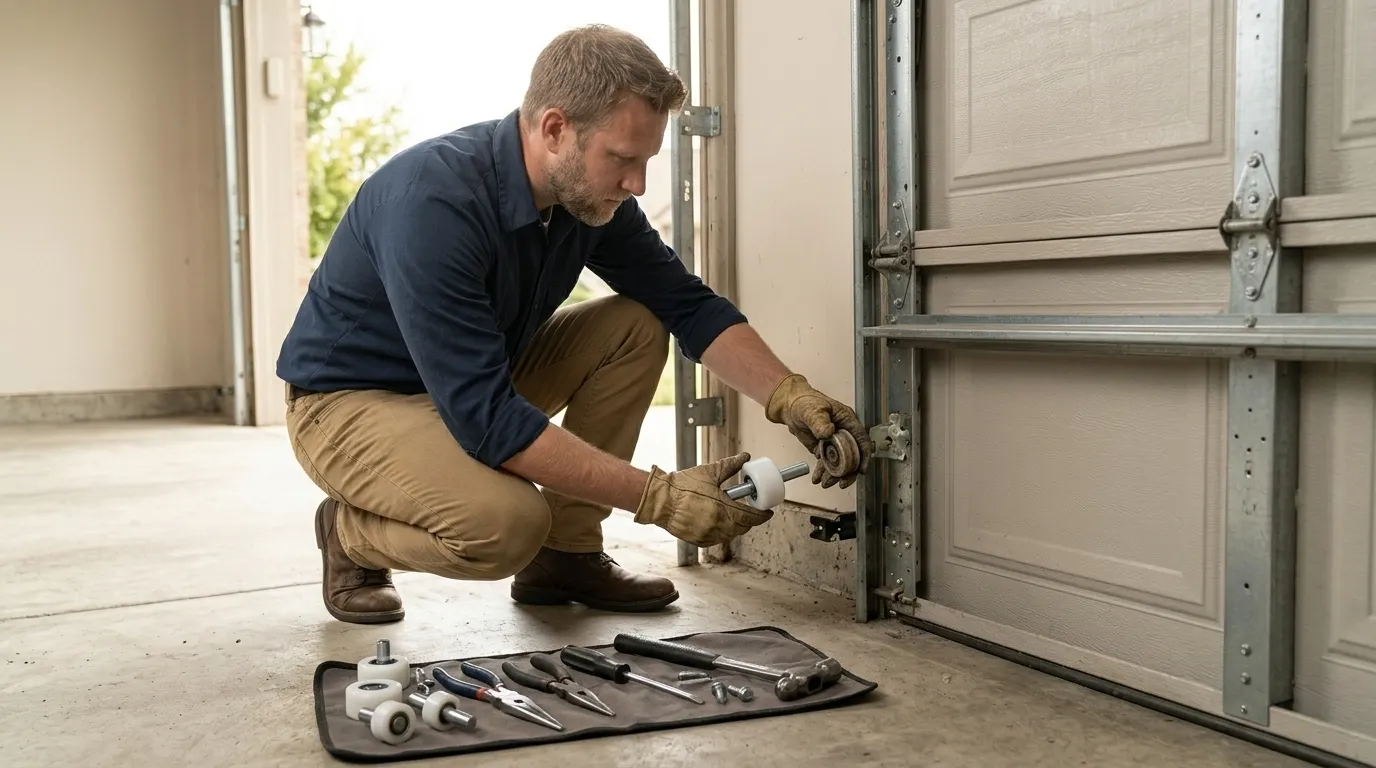
Rollers can become noisy, rough, damaged, or resistant after years of regular track travel.
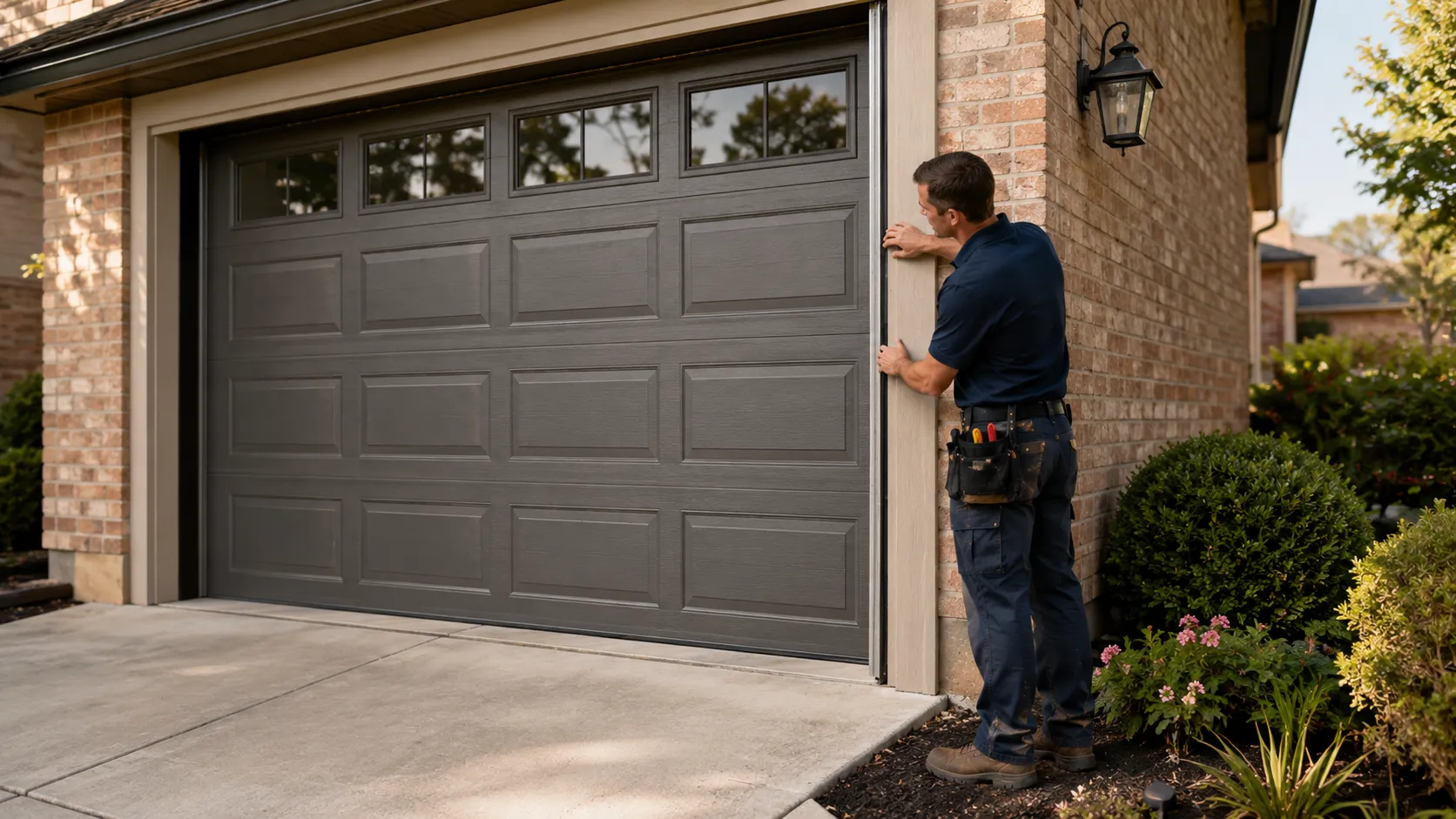
Cable problems, roller wear, impact, or alignment issues can leave a garage door unable to travel correctly.
Older steel sections can develop rust, impact damage, or structural deterioration that may require panel or complete-door replacement.
Local housing matters
The broader source service area is dominated by homes built between 1981 and 1996, with a median build year around 1993.
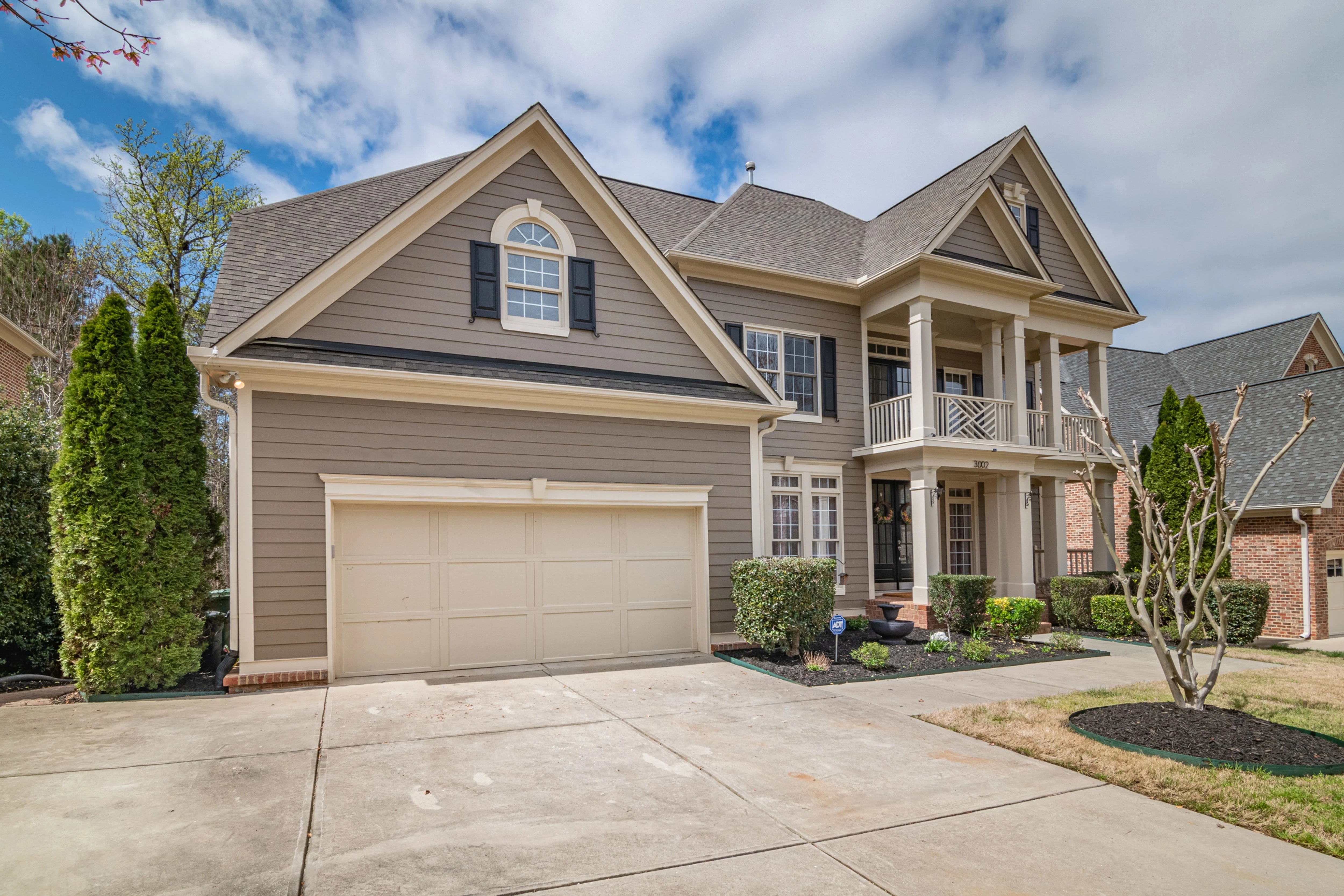
That creates a large number of two-car garages with steel sectional doors, center-mounted torsion systems, chain-drive openers, rollers, cables, tracks, and lightly insulated or single-layer panels from the same general era.
The broader area covers approximately 10,769 households, including about 6,827 owner-occupied houses.
The same housing pattern shows up across areas such as Lakeview, Mooretown, Sunset Acres, Caddo Heights, Broadmoor, South Highlands, Cedar Grove, and surrounding communities.
The build year provides useful context, but the correct repair depends on the hardware actually installed today.
1980s–90s garage door systems
Homes concentrated around the 1980s and 90s can combine center-mounted torsion systems, steel sectional doors, original chain-drive openers, replacement motors, and several generations of service work.
Center-over-header torsion systems are common across the dominant local housing era.
Many homes from this build window use standard two-car steel sectional doors with single-layer or lightly insulated panels.
Original or early replacement chain-drive units can develop gear, motor, board, sensor, or control problems as they age.
A garage may have a newer opener or spring while retaining older tracks, rollers, cables, hinges, or panels.
Clear repair guidance
There isn't one flat repair price, because spring repair, opener work, off-track service, roller replacement, installation, and complete door replacement involve different parts and labor.
Spring size, door weight, opener age, track condition, roller wear, panel condition, and parts availability can all change the scope.
Median household income across the broader service area runs around $60,142, but the price still comes from the door in front of us.
We inspect the actual door and compare repair with replacement when both options are reasonable rather than guess at a final number over the phone.
Older opener electronics or unusual hardware can also require additional sourcing time.
What to expect
We start with what the door is actually doing, use the symptoms to point toward the likely cause, inspect the whole system, and explain repair versus replacement when both are reasonable.
Tell us whether the door won't open, opens crooked, made a loud bang, or the opener runs without moving the door.
The symptoms can help point toward the spring, cable, opener, rollers, tracks, or another operating component before the visit.
We check spring and cable tension, door balance, rollers, hinges, tracks, opener condition, and panel integrity before deciding on the repair.
If the door is structurally sound, the repair stays targeted. If major structural or parts-availability problems make repair poor value, replacement can be discussed instead.
Older Parts May Be Harder to Source
Some original opener components and hardware from older systems may no longer be readily available, which can make replacement more practical.
Garage door focused
We're a garage-door-focused service rather than a general handyman operation, with work centered on residential springs, openers, tracks, cables, rollers, panels, repair, and replacement.
The work is centered on garage door repair and replacement for existing residential systems.
The dominant local 1981–1996 housing era creates repeated exposure to similar torsion and opener configurations.
Gate systems are outside the service scope.
Commercial rolling steel doors are outside the work described here.
Warm-climate garage door wear
Shreveport sits in a moderate-heat climate band, so the focus is on normal cycle wear, humidity, exposed steel components, lubrication, seals, and long-term opener aging rather than temperature cycling alone causing failure.
Repeated opening and closing remains the main source of long-term torsion spring fatigue.
Long-term moisture exposure can contribute to corrosion on lower steel panels, cables, tracks, hinges, and fasteners.
Daily use can gradually wear rollers, hinges, bearings, and other moving hardware.
An opener can work harder when spring, roller, track, or balance problems are already making the door difficult to move.
Repair or replace?
A broken spring, roller, opener component, or off-track problem doesn't automatically mean the whole garage door needs replacement. Replacement becomes more practical when panels are structurally compromised, critical parts are obsolete, or several major components are deteriorating together.
A targeted repair can make sense when the panels, tracks, opener, cables, and surrounding structure remain serviceable.
An older steel sectional door can remain worth keeping when the panels and supporting hardware are structurally sound.
Replacement can become more practical when an older opener needs a motor, logic board, or other component that is difficult to source.
If panels are rusted through, badly dented, or structurally compromised, broader replacement can offer better long-term value.
Service areas
Questions
Depends on what's dead. If it's the logic board or motor on an original 1980s–90s chain-drive unit, parts can be hard to source, and a new belt-drive opener often costs about the same as chasing down obsolete parts. If it's just the sensor or the wall switch, that's a quick fix. We'll check before recommending either.
Torsion springs on doors from this era are 25 to 40 years old in a lot of Shreveport neighborhoods, and they fail from metal fatigue after tens of thousands of open-close cycles, not from one bad day. There's usually no warning sound or slow leak — they just go, often loudest right when you open the door in the morning.
Yes — we work throughout the service area, including Blanchard, Stonewall, Benton, Haughton, and the closer-in neighborhoods like Cedar Grove and South Highlands. The hardware and age of the door matter more than which street it's on.
If the panels are rusted through or badly dented, replacement usually wins because a repaired panel won't match and the frame may be compromised. If it's just the spring, cable, or opener and the panels are sound, repair is almost always the better spend. We'll look at the whole door, not just the part that broke.
Ready when you are
Tell us what the door is doing and we'll help you figure out whether you're dealing with a spring, opener, off-track door, roller problem, installation need, or another aging component in the system.