
Nylon gear stripping rate
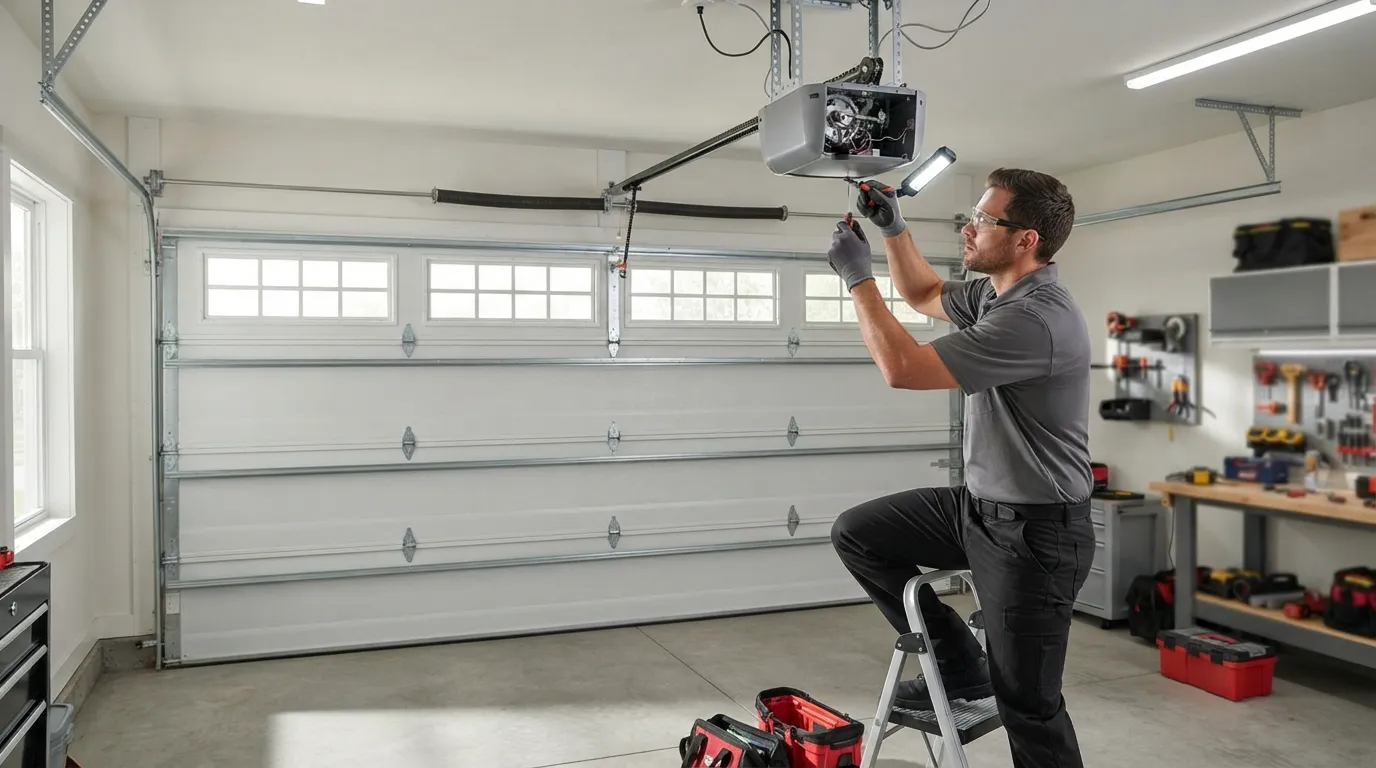
The drive gear inside the housing is nylon, and by year twenty-five or thirty it's usually stripped or close to it, which is why some of these openers run the motor but the carriage doesn't move at all.
Eastwood, Shreveport
Eastwood homes built around 1992 mostly still run their original chain-drive opener. We install modern units sized right for that hardware, dispatched from Shreveport.
Symptoms
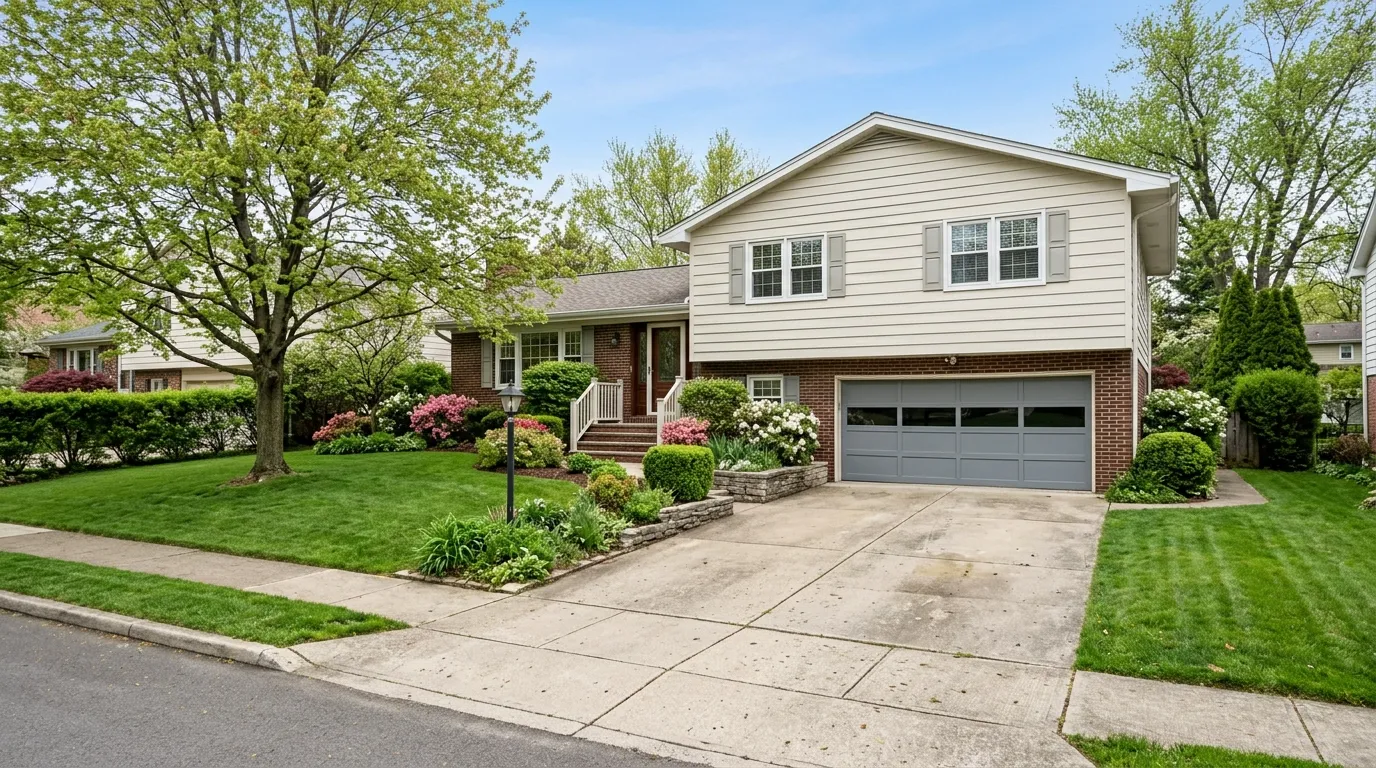
Most houses in Eastwood went up around 1992, and that year matters more than people think. A builder putting up a subdivision in the early '90s wasn't shopping premium hardware - the opener that came with the house was almost always a 1/3 horsepower chain-drive unit, wired straight to a wall button, no keypad, no safety-reversal sensors in the earliest runs of that era. Thirty-some years later, that same motor is still up there in a lot of garages, and it's doing one of three things: grinding louder every month, reversing at random on the way down, or just not turning over when you hit the button. None of that is a mystery. It's a motor and a logic board that have outlived their design life, on a door that's heavier than the opener was ever really matched to once weatherstripping and insulation got added over the years.
Watch-outs
The chain-drive units from that build era use a steel chain that stretches over time - you'll hear it slap the rail before it ever fails outright.
The drive gear inside the housing is nylon, and by year twenty-five or thirty it's usually stripped or close to it, which is why some of these openers run the motor but the carriage doesn't move at all.
Safety sensors are the other issue: houses built right around 1992 sit near the line where photo-eye sensors became standard, so we see plenty of Eastwood garages with no sensors at all, or a mismatched pair added later that don't talk to each other correctly.
If your opener predates sensors and you've got kids or pets using that garage, that's not a small thing - it's the difference between a door that stops on contact and one that doesn't.
Our process
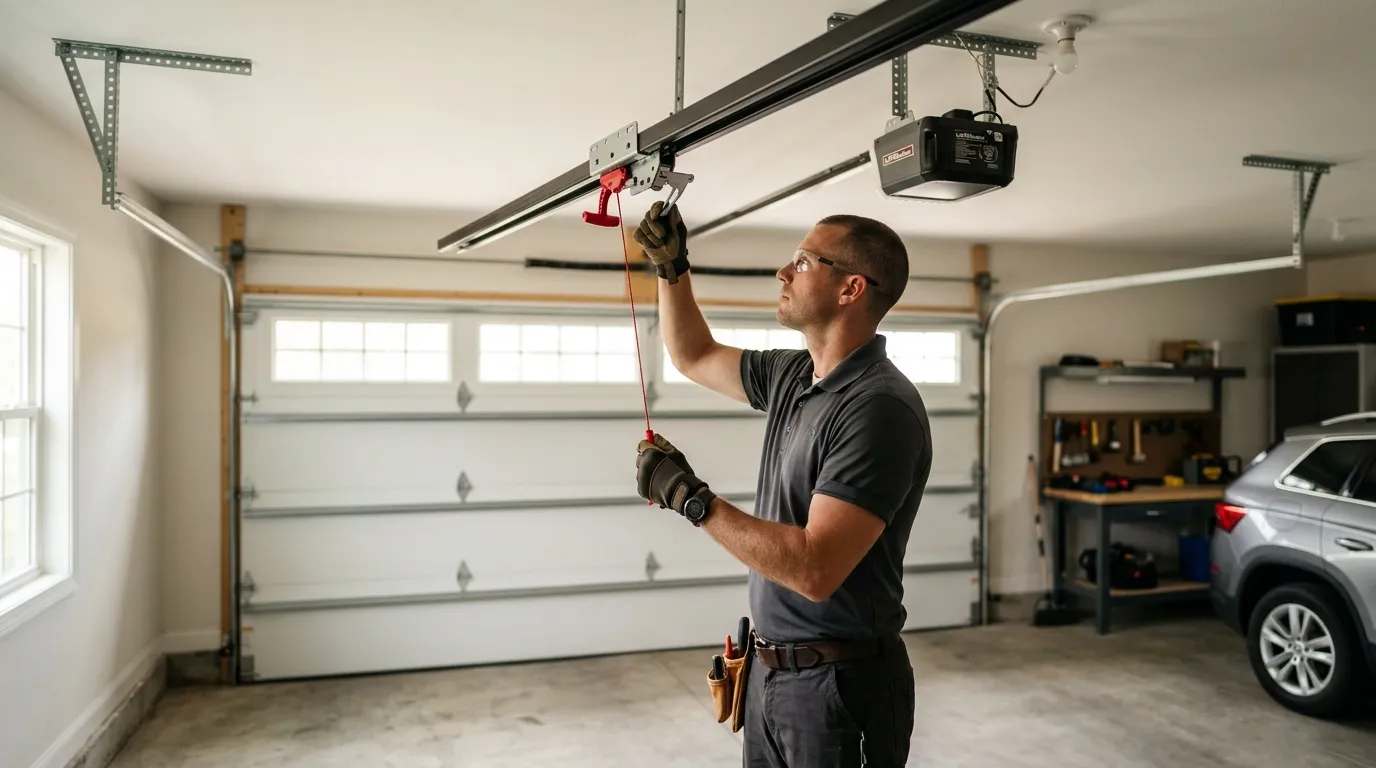
We pull the old unit, check the header bracket and the ceiling framing it's bolted to - on a house this age that wood is usually still sound, but we look before we hang anything new on it.
Then we size the replacement to the door itself, not just to what was there before; a lot of these original doors have been swapped for heavier insulated panels since 1992, and the old 1/3 hp unit was never built for that weight.
Belt-drive or chain-drive, we set it up with current safety sensors wired correctly, program the remotes and keypad, and test the auto-reverse against a 2x4 laid flat on the floor before we call the job done.
We're coming from Shreveport, about 15 miles west, so we schedule the visit rather than showing up same-day on a whim - but once we're on site the swap itself usually runs under a couple hours.
DIY or pro
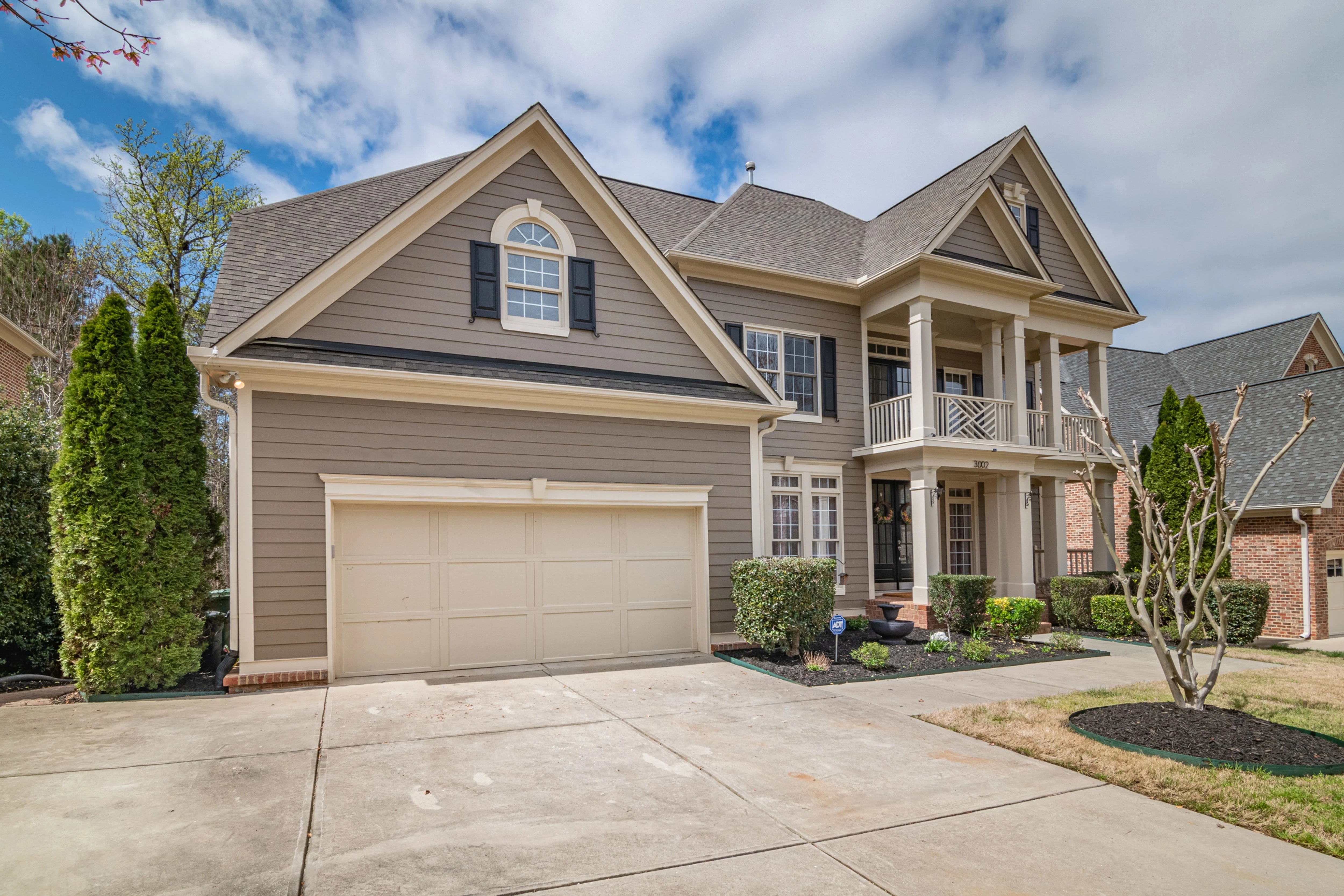
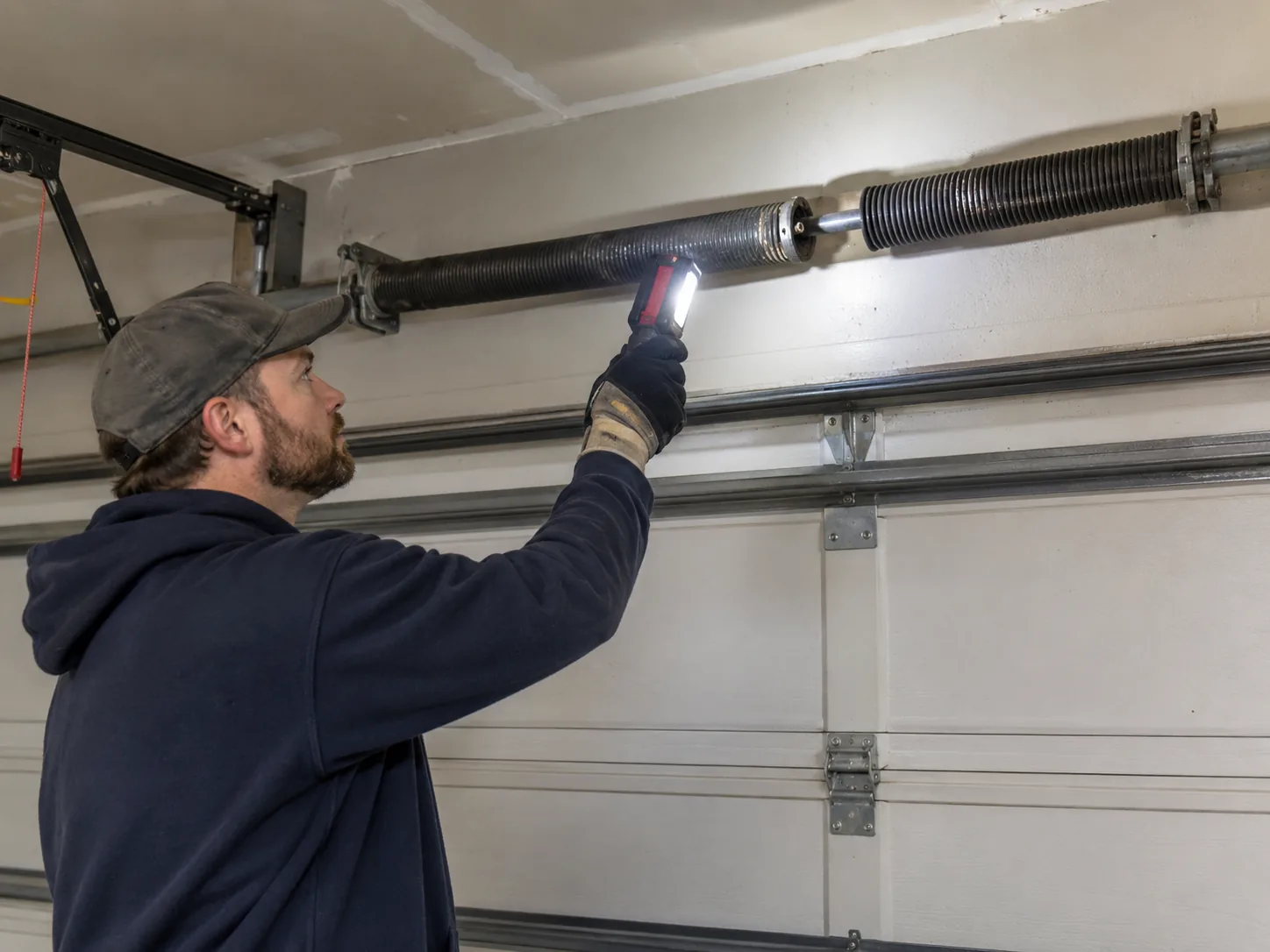
Swapping an opener yourself isn't unreasonable if you're comfortable on a ladder and know how to read a wiring diagram - the unit itself isn't the hard part. Where people get hurt is the travel and force adjustment, and on older Eastwood doors with springs that were never serviced alongside the opener, that adjustment can mask a spring that's already failing. If your door feels heavy to lift by hand with the opener disconnected, that's a spring problem, not an opener problem, and no amount of opener tuning fixes it. We'll say plainly: if the door doesn't move smoothly by hand, don't force a new opener onto it and call that solved. Fix the spring first, or have both looked at together.
Pricing
We don't have a posted price list for opener installs by area, and pricing depends on the unit, the door weight, and whether the wiring or bracket needs work beyond a straight swap. Eastwood's median household income runs higher than a lot of the surrounding service area, which doesn't change what we charge, but it does mean we see more owners here opting for belt-drive units for the quieter operation rather than sticking with a bare-minimum chain-drive replacement. Either way, we quote the job after we've seen the door and the opening, not before.
Questions
If your house was built around 1992 like most of the neighborhood and nobody's mentioned replacing it, there's a decent chance yes. Original units from that era are almost always 1/3 hp chain-drive with a wall button and sometimes no working photo-eye sensors - a giveaway if yours matches that description.
No. We run out of Shreveport, about 15 miles from Eastwood, so opener installs here are scheduled rather than walk-in same-day. We bring the unit sized to your door once we've confirmed the specs with you.
No - that's a spring symptom, not an opener symptom. Installing a stronger opener on a door with a failing spring just hides the problem and puts more strain on the new motor. We check the spring balance before we recommend an opener.
Yes, in most cases. We size the opener to the door's current weight, which sometimes differs from what shipped with the house in 1992 if the door itself was replaced since. We check the door before quoting the unit.
Explore more
Ready when you are
Shreveport Garage Door Pros repairs and installs garage doors, springs and openers in Shreveport, LA and the surrounding area.