
Roller-quantity rhythm noise
That size matters because it means we don't see the same volume of calls here as in the bigger subdivisions, but the calls we do get tend to look alike: a door that grinds, hops, or catches partway up the track.
Eastwood, Shreveport
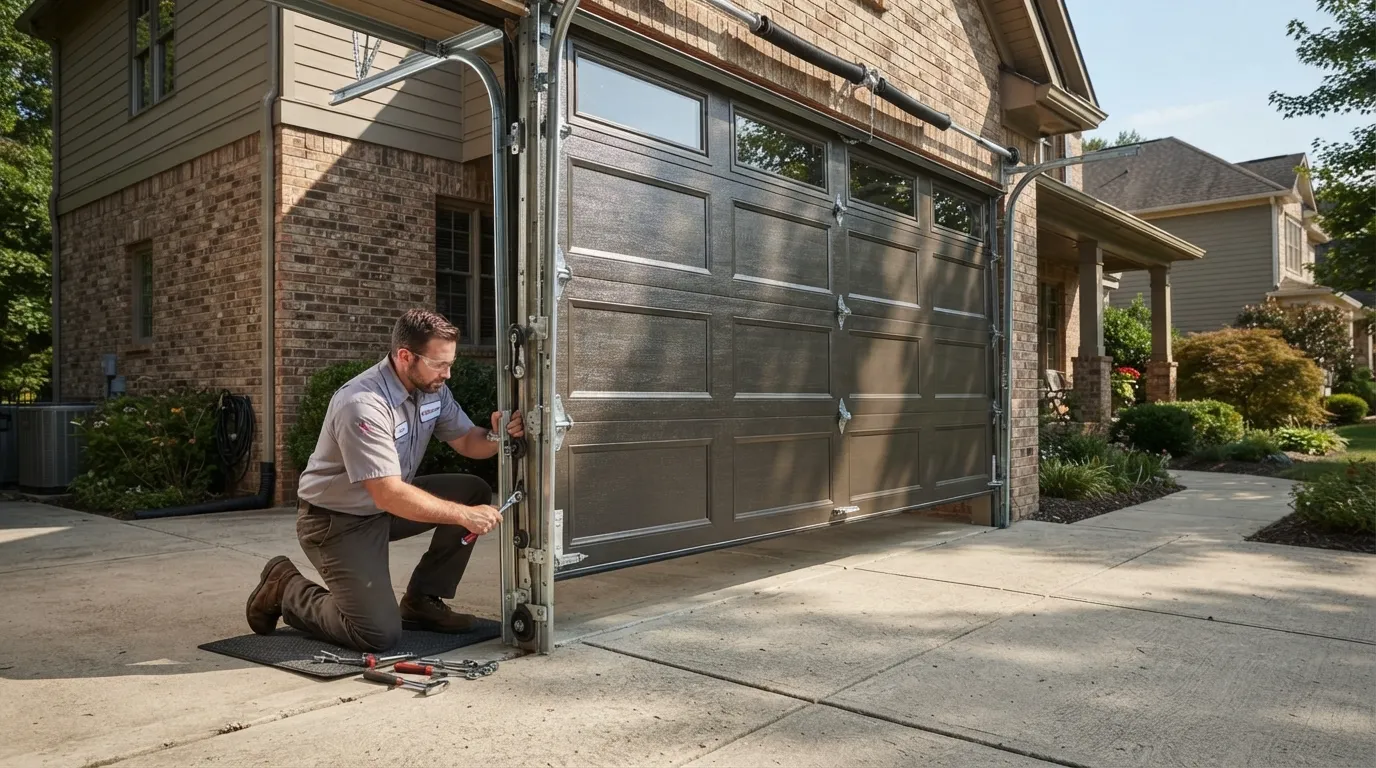
Eastwood has about 1,552 households and mostly 1990s-built garages. We swap out worn steel rollers on original doors, driving the 15 miles out from Shreveport.
Symptoms
Eastwood is a small pocket of the area we cover, around 1,552 households, compared to roughly 10,769 across the whole service area we run trucks through.
That size matters because it means we don't see the same volume of calls here as in the bigger subdivisions, but the calls we do get tend to look alike: a door that grinds, hops, or catches partway up the track.
Most of that noise starts at the rollers, not the opener, and not the springs. If you own a house in Eastwood, chances are it went up around 1992, which is squarely in the era when builders here hung one-piece steel rollers on stamped steel doors. Those rollers were fine for a decade or two.
Thirty years on, the stem where the roller meets the bracket has usually worked loose, or the wheel itself has flat-spotted from sitting in one position for months at a time. You'll hear it before you see it: a rhythmic thump as each roller hits the same worn patch in the track on every cycle.
Watch-outs
A steel roller wears from the outside in. The wheel loses its round shape first, so the door starts to shudder instead of glide, then the bearing inside the stem dries out and the whole assembly starts to bind.
On a 1992-era door in this area, we usually find the bottom two rollers on each side worse off than the top ones, since they carry more of the door's swing weight and take the brunt of every open and close. Once a roller starts binding, it puts sideways load on the track it wasn't built for.
Leave it long enough and the track itself bends at the point where the roller catches, which turns a $20-a-roller fix into a track replacement. We also see stems that have rusted through at the point where they pass through the hinge, which is a slower failure but a more expensive one once it lets go, because the roller can drop out of the track entirely while the door is mid-cycle.
The moderate heat this area sits in doesn't cause dramatic failures the way a hard freeze-thaw cycle might, but three decades of daily expansion and contraction still works rust into a steel stem that spent its whole life outdoors. That's a slow grind, not a sudden break, which is why most Eastwood calls we get are for noise, not a door that's stuck shut.
Our process
For most of the doors we see out here, the fix is a full roller set, all ten replaced at once rather than one at a time, because if one side has worn out from age the other side is close behind.
We pull the old steel rollers and put in nylon rollers with sealed bearings, which run quieter and don't flat-spot the way steel does under a stationary load. While we're in there we check the track alignment on both sides, since a bent track from a binding roller won't fix itself just because the roller is new.
If we find a track that's kinked, we'll straighten or replace that section before we hang new rollers on it, because putting good rollers in a bad track just buys you another six months. We also look at the hinges the rollers ride through.
On an original 1992 door, those hinges have taken the same three decades of wear as the rollers, and a worn hinge hole will chew through a new roller stem just as fast as the old one wore. We don't swap the hinges unless they need it, but we'll tell you straight if they do.
DIY or pro
Swapping a single roller isn't hard if the door is off tension and you know which cable to stay clear of. Swapping a full set on a door that's still under spring tension is a different job, and it's where we see people get hurt, because pulling a roller out from under load can let the section drop faster than expected.
The honest limit here: if your door is original to a 1992 build and you're already replacing rollers, it's worth having someone check the springs and cables at the same time, since they're the same age and wear on the same schedule. We won't sell you a spring job you don't need, but we also won't hand you new rollers and send you on your way if the cable next to them is fraying. That's not a roller call anymore, that's a whole-door call, and it's better to know that going in than to find out mid-repair.
Pricing
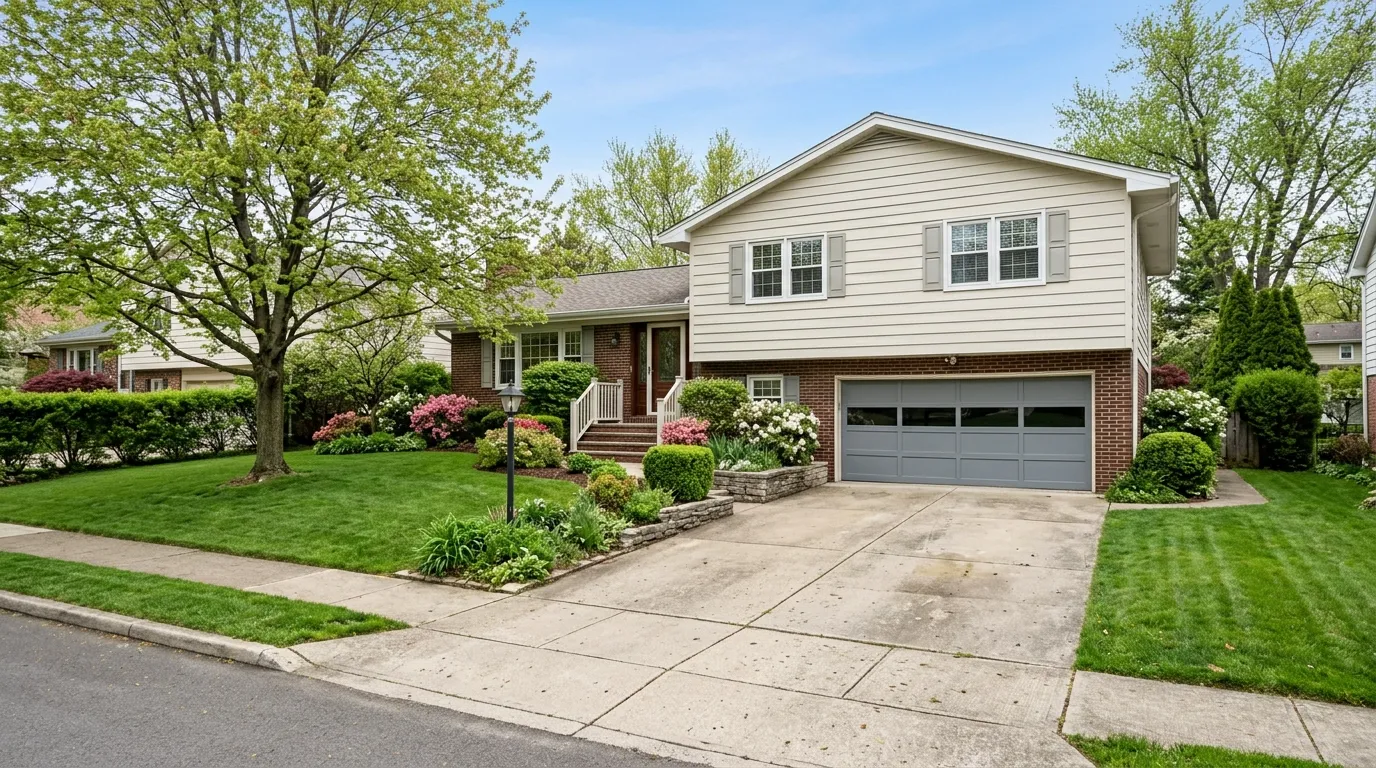
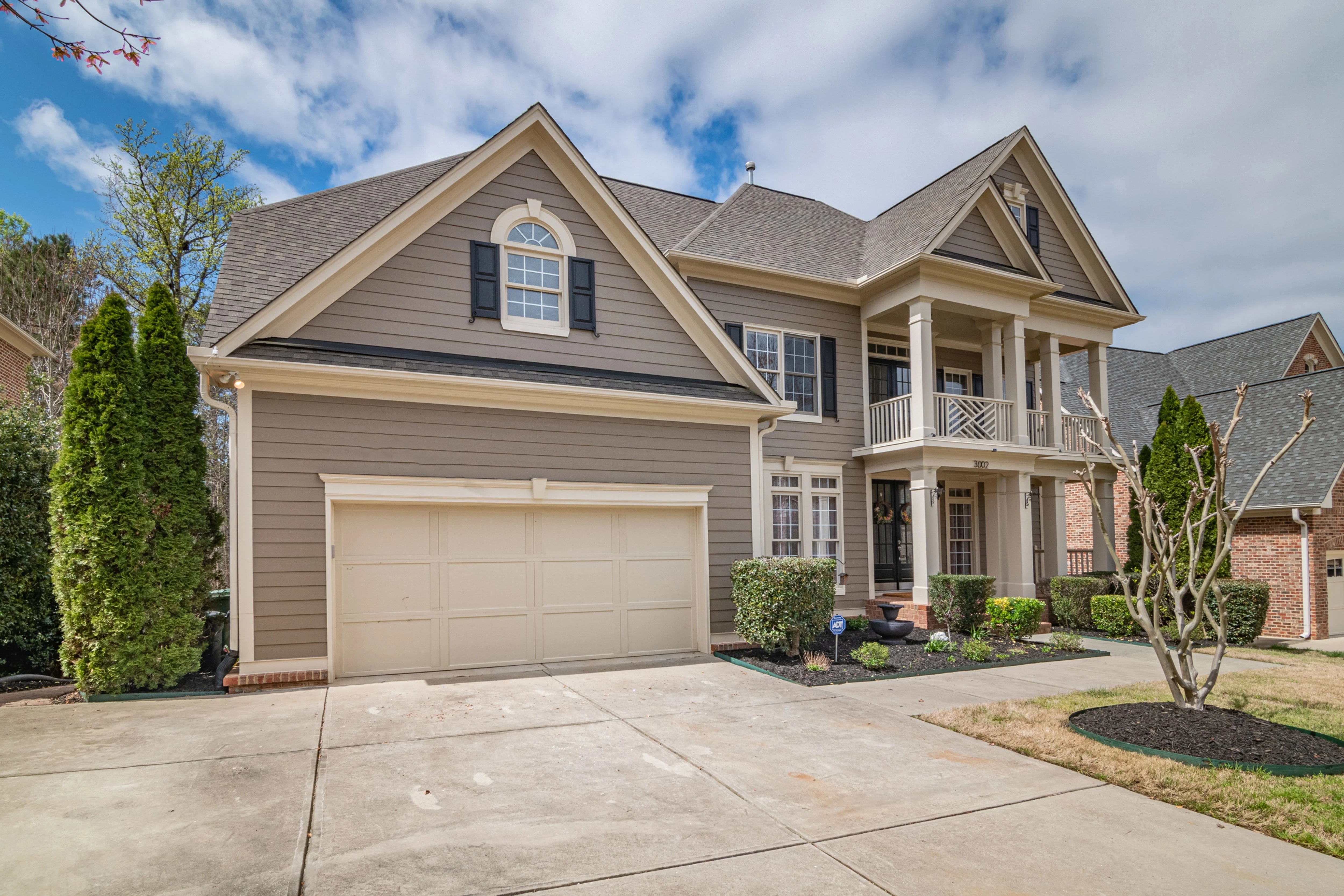
We don't have a posted price for Eastwood specifically, and we're not going to guess one here. What we can tell you is that the job scope for a house built around 1992 is usually a full ten-roller swap plus a track check, not a single-roller patch, because doors this age rarely have just one bad roller. The final number depends on whether nylon rollers alone solve it or whether the track and hinges need work too, which we won't know until we're standing in front of the door.
We run this job out of Shreveport, about 15 miles from Eastwood, so the quote we give you accounts for that drive along with the parts and labor on the door itself. If you want the general rundown on how this service is priced across the wider area, that's covered on our main roller replacement page rather than here.
Questions
A thump on every cycle usually means one roller has flat-spotted or the stem has worked loose in its bracket, so the wheel is hitting the same worn point in the track each time it comes around. A steady squeak with no thump is more often just dry bearings and needs lubrication, not replacement.
Not automatically, but a door built around 1992 has had roughly thirty years on its original steel rollers, and that's well past the point where most stems have worn or rusted at the hinge. If you're hearing grinding or seeing the door shudder partway up, the rollers are the first thing worth checking.
We can, but on a door this age we usually recommend the full set. If one roller has worn out from three decades of use, the other nine are on the same clock, and coming back out to Eastwood for a second roller next year costs more than doing all ten now.
Explore more
Ready when you are
Shreveport Garage Door Pros repairs and installs garage doors, springs and openers in Shreveport, LA and the surrounding area.