
Guide
Why the Original Door on Your House Doesn't Fit Shreveport Summers
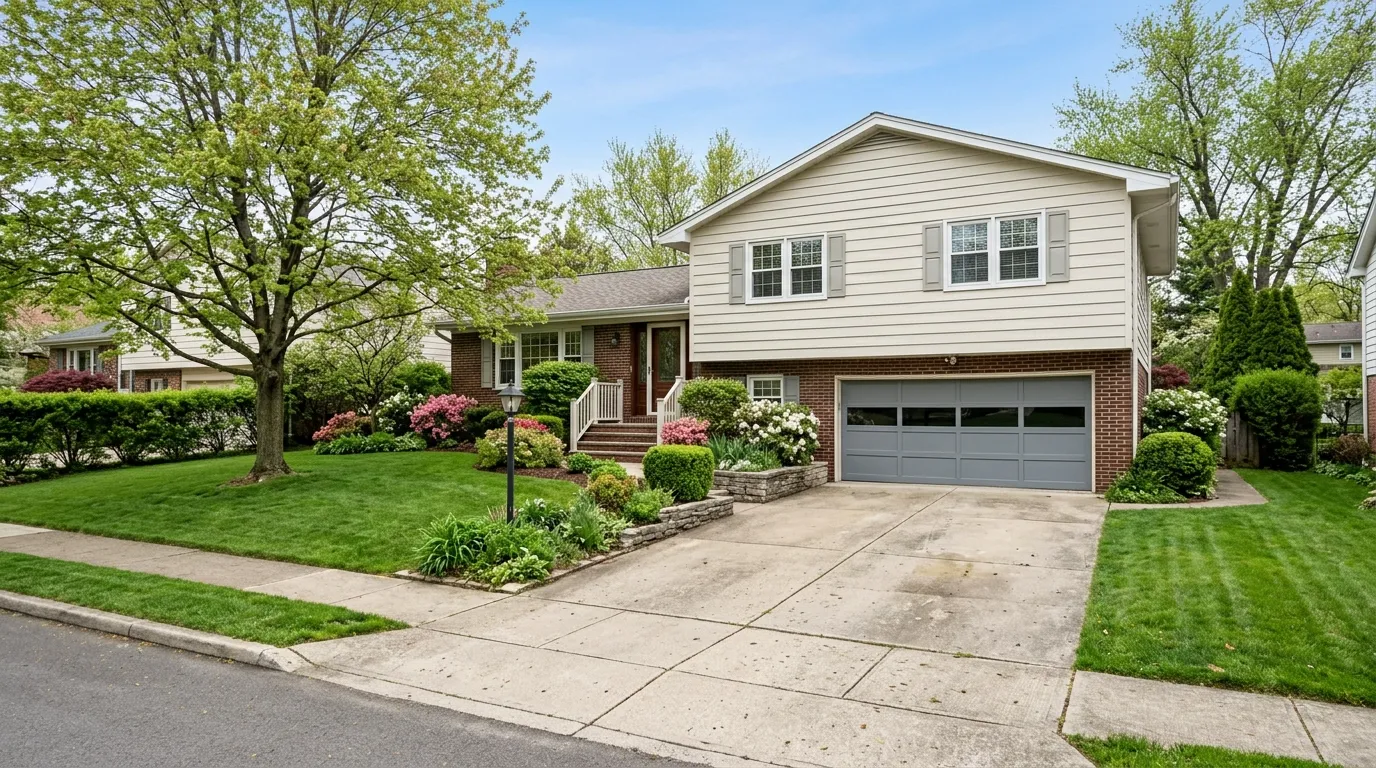
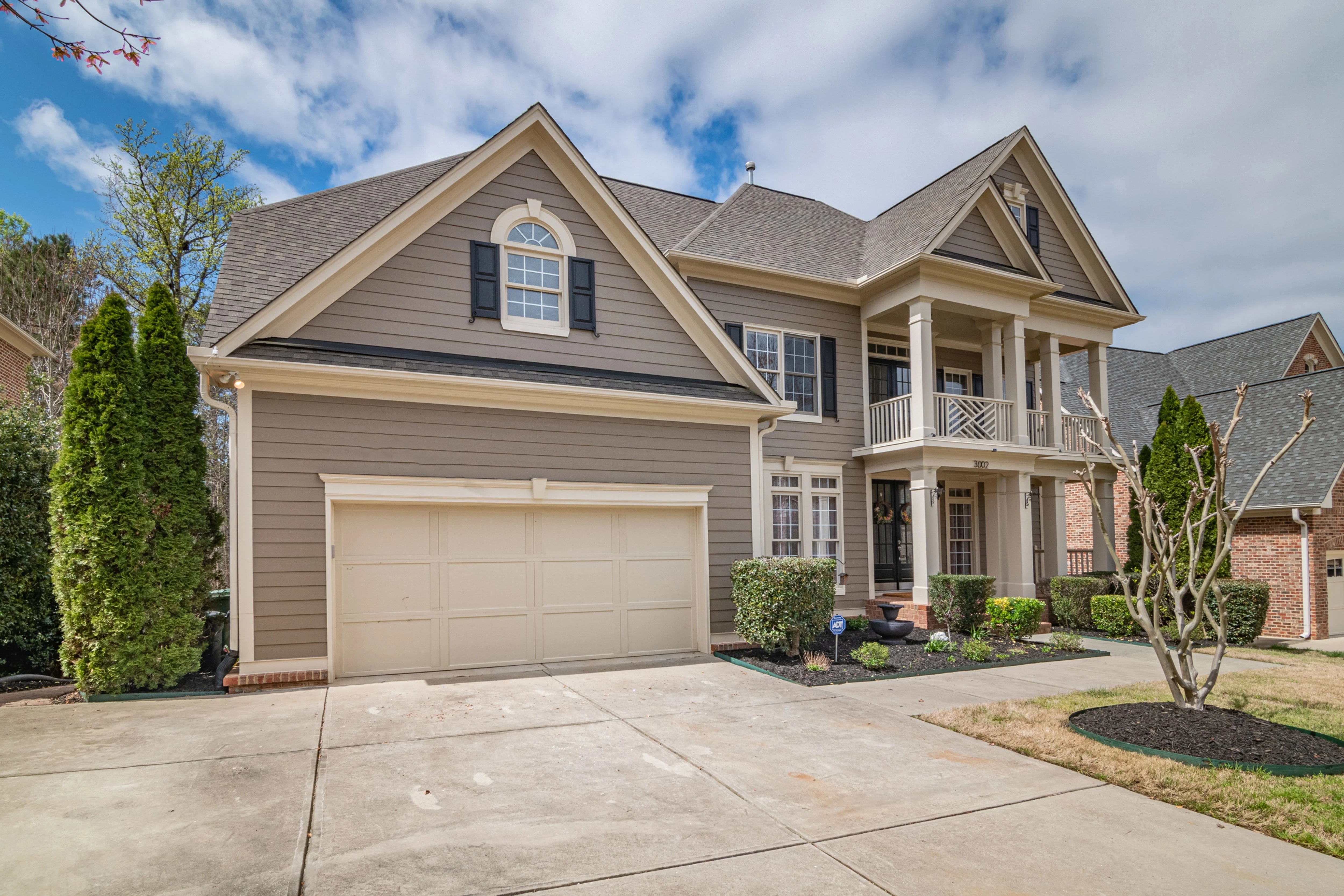
Most Shreveport houses here date to 1981-1996, with garage doors never built for the moderate heat this area carries each summer, and parts run short.
Local detail
What You Pay
We don't publish a flat price list on this page, because what a job costs depends on the door in front of us, not the neighborhood. What we can tell you is who we're pricing for: the median household income across this service area sits at $60,142, and there are 6,827 owner-occupied houses among roughly 10,769 households total. That's a market of people who own their homes and plan to stay in them, not renters who'll call a landlord.
It changes how we quote work - we'd rather talk you through a spring replacement that keeps a serviceable door running than push a full replacement on a door that still has years left. Where replacement does make sense is when the original door is the uninsulated builder-grade panel that came with a house built in the 1981-1996 window, since those were priced to meet code at the time, not to cut a cooling bill three decades later. We'll tell you straight when a repair isn't worth the labor versus swapping the door - that's not a sales pitch, it's the honest math on an old panel with wrecked hardware.
The area
What Local Conditions Do
Shreveport sits in a moderate-heat climate band, and most of the houses we work on - across areas like Lakeview, Mooretown, Sunset Acres, and Broadmoor - were built between 1981 and 1996, with the median landing around 1993. That combination matters more than it looks. A garage door installed in that window was built to a construction spec from thirty-plus years ago, when an uninsulated steel panel was the standard builder option and nobody was pricing in the cooling load of a garage that shares a wall with living space. Heat doesn't care about the calendar - it works on whatever door is actually hanging there.
A single-layer door absorbs and holds heat all afternoon, and if the garage backs onto a bedroom or laundry room, that heat load doesn't stay in the garage. On top of that, thirty-plus years of daily opening and closing wears out springs, rollers, and cables that were never top-shelf hardware to begin with. It's not that Shreveport summers are unusual - it's that the doors on this era of house were never spec'd to handle them well in the first place, and nobody's replaced that spec since.
What we find
Where People Go Wrong
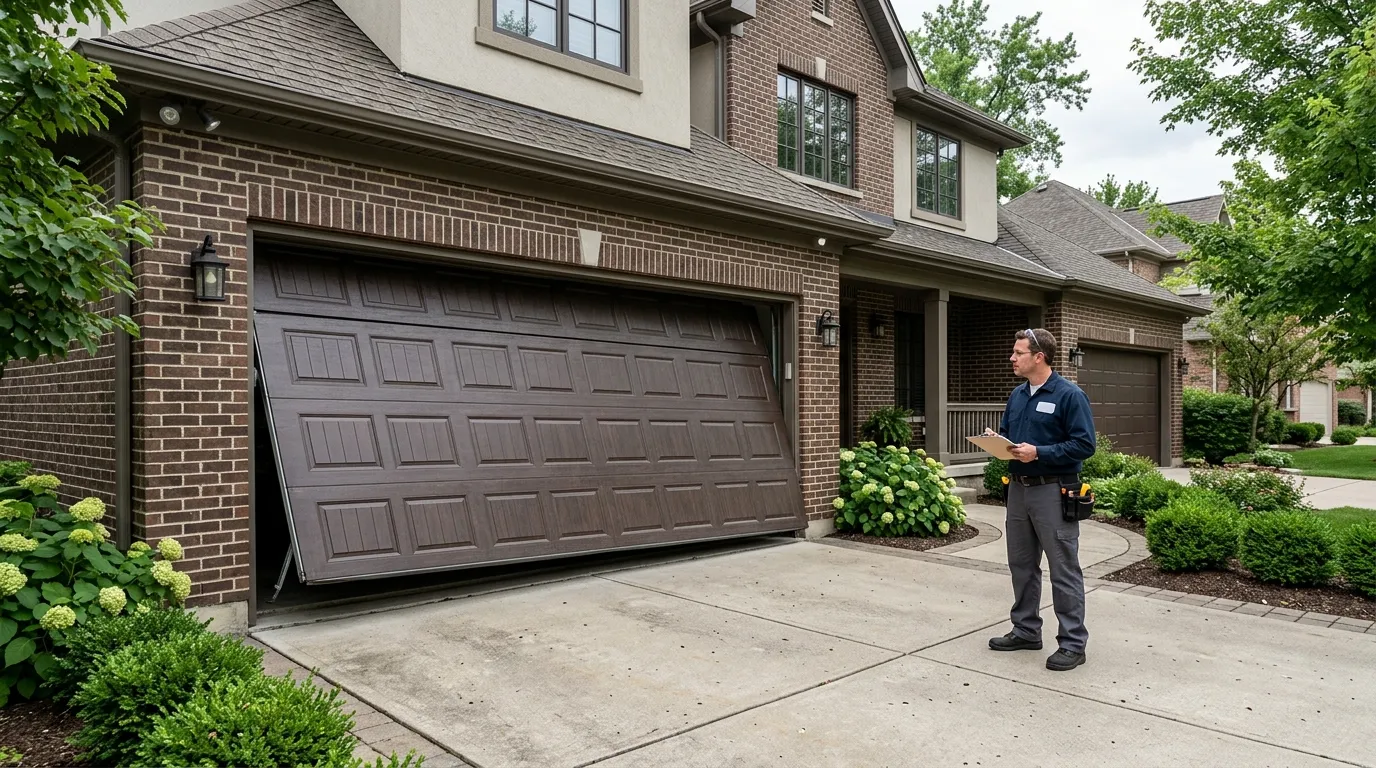
The most common mistake we see is treating a door built in the 1980s or 90s like it's fine because it still opens and closes. Age and function aren't the same thing. A torsion spring rated for a specific door weight loses tension slowly over years, and by the time it snaps, it usually takes a cable or a bent track with it - work that costs more than the spring alone would have.
Another mistake: homeowners assume an insulated door is a cosmetic upgrade, something you do for looks, not function. On a house from this era with a garage that shares a wall or ceiling with living space, an uninsulated panel is doing real work against you every summer afternoon. And we see people replace an opener thinking that solves a heat or noise problem that was actually the door itself, not the motor.
The opener runs the door; it doesn't insulate it or balance it. If your door is original to a house built in the 1981-1996 range, the opener is rarely the first thing worth spending on.
How we work
The Problem
Here's the actual mechanism, not the general version. Houses across this service area built between 1981 and 1996 mostly got a single-layer steel garage door as standard equipment - no foam core, no thermal break, because insulated residential doors weren't the builder default yet in that stretch. Thirty-plus years later, that same door is still hanging in a moderate-heat climate, absorbing sun and outside air all day with nothing to slow the transfer. Meanwhile the hardware underneath it - springs, rollers, the cable drum - has been cycling for three decades on original parts sized to the original door weight.
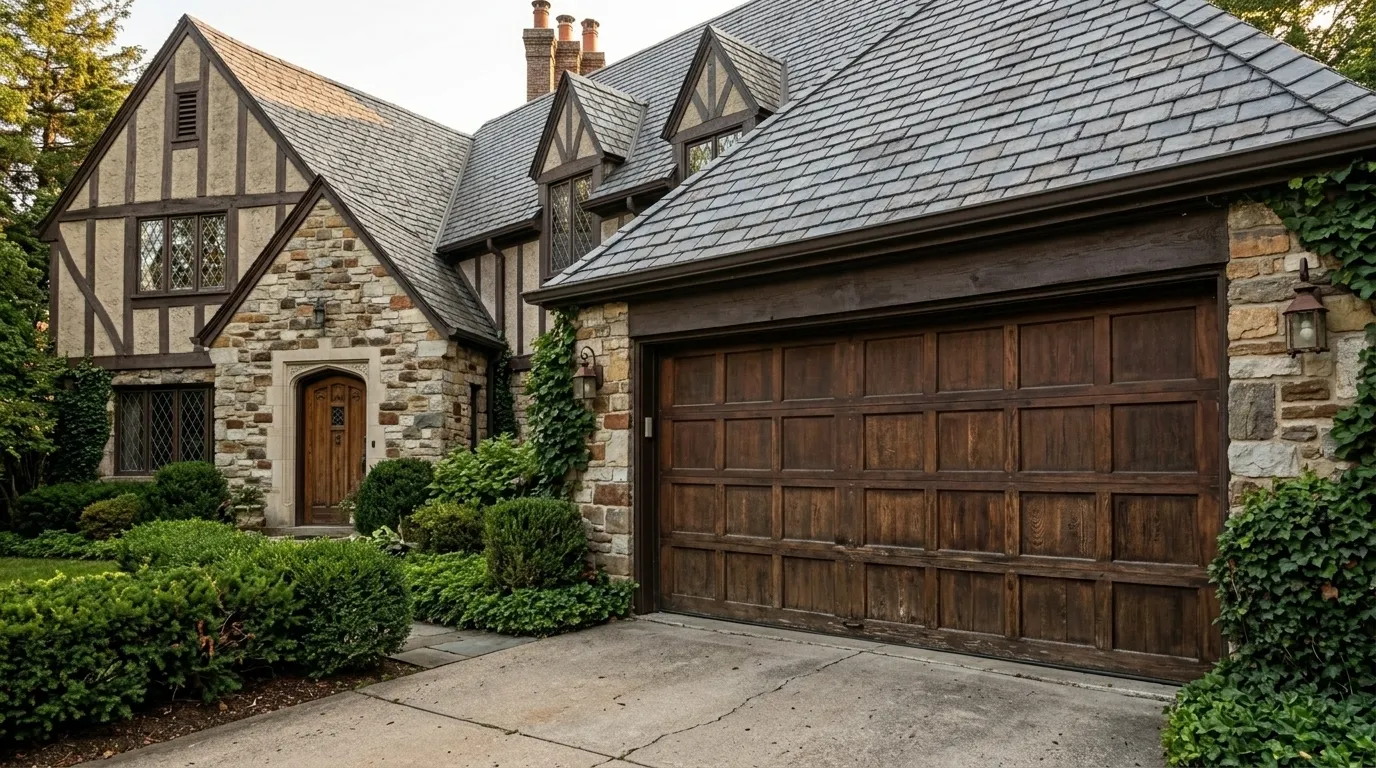
When that spring finally goes, it's not a random failure, it's the predictable end of a part that was never going to last forever. The honest limitation here: we can't always source an exact match for a 1980s or 90s panel style if you want to keep the original look - production runs from that era are long gone. In those cases the choice is a comparable modern door, not an identical replacement, and we'll say so before we quote the job.
Questions
Common questions
Is my garage door original to the house if I bought it built in the early 90s?
Likely, if nobody's mentioned a replacement to you. Most houses in this service area went up between 1981 and 1996, and builder-grade doors from that era were single-layer steel with no insulation. If the door still has its original hardware and you've never had a spring replaced, it's probably original and due for an inspection.
Does an insulated door actually matter in a moderate-heat climate like this?
Yes, more than people expect. This area sits in a moderate-heat band, and an uninsulated panel absorbs heat all afternoon and passes it into any space that shares a wall with the garage. It's not a cosmetic upgrade on a house this old - it's the difference between a garage that bakes and one that doesn't.
Can you match the exact panel style on my 1980s door if one section breaks?
Sometimes, but not always. Panel styles from the 1981-1996 building era are largely out of production, so an exact match isn't guaranteed. When we can't match it, we'll say so upfront and walk you through a comparable modern panel rather than promise something we can't deliver.
Ready when you are
Need a garage door sorted in Shreveport?
Shreveport Garage Door Pros repairs and installs garage doors, springs and openers in Shreveport, LA and the surrounding area.