
Guide
Is Your Older Garage Door Worth Fixing, or Time to Replace It
Most Shreveport homes date to 1981-1996. Here's how that housing stock and our heat affect whether your garage door is worth repairing or replacing.
Local detail
What You Pay
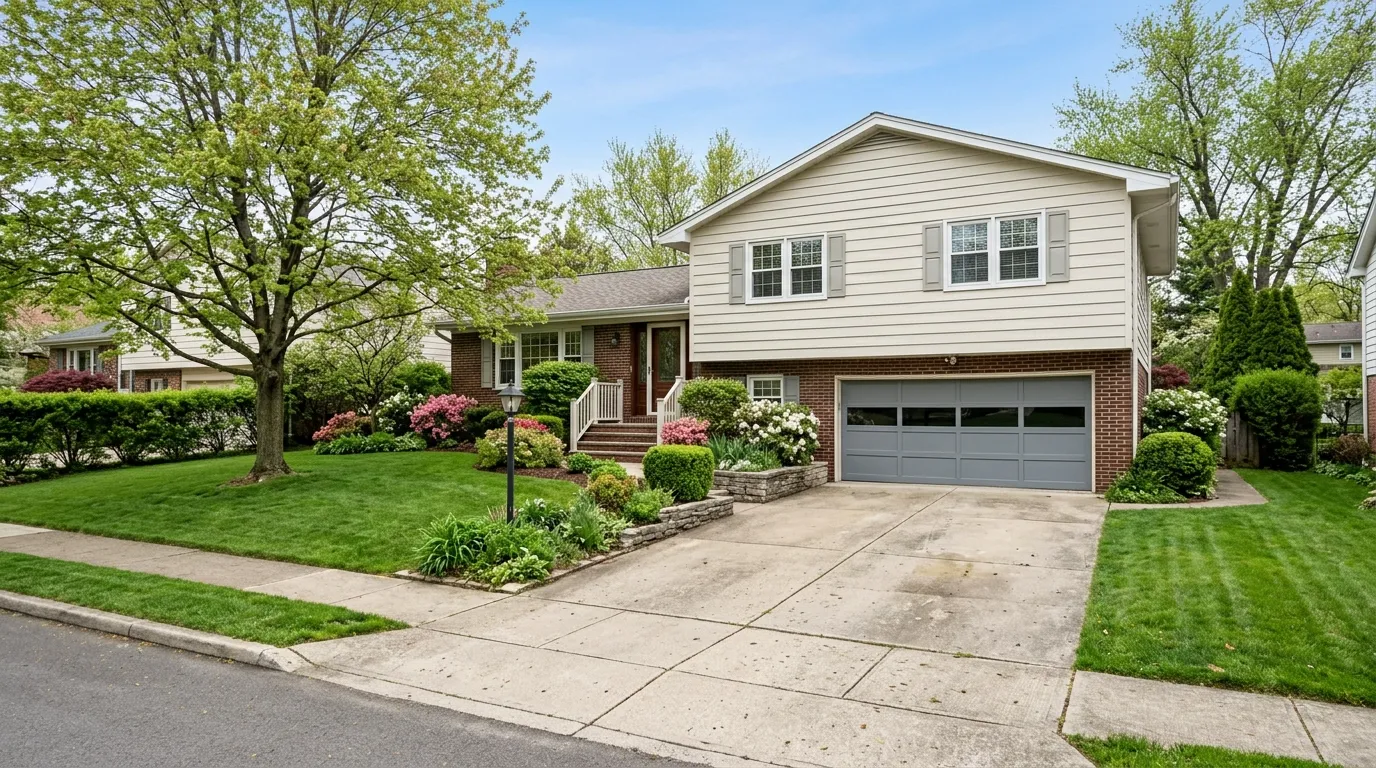
We're not going to quote you a number here, because what a repair costs depends on what's actually wrong and what's on the door. What we can tell you is how to think about it. Across the service area, most houses were built between 1981 and 1996, with a median build year around 1993. That means a lot of the doors we look at are original or close to it: steel sectional doors on standard torsion or extension spring setups, not the odd one-piece slab hardware you'd find in an older part of town. Parts for doors from this era are still made. That's the good news - a broken spring or a stripped opener gear on a door from 1993 is almost always a straightforward repair, not a full replacement.
Where it gets more expensive is when the track has bent from years of a door running slightly off-square, or when the opener itself has failed alongside a spring - now you're pricing two jobs instead of one. With a median household income of $60,142 across the area, most of our customers want the repair path when it's available, and on doors this age it usually is. We'll tell you straight if a replacement makes more sense than sinking money into a door that's fighting you on every part.
The area
What Local Conditions Do
Shreveport sits in a moderate heat climate band, not a severe one, but moderate heat still does steady work on a garage door over thirty-plus years. Nylon rollers dry out and crack from sustained warm weather and UV exposure through the door's glass panels or the driveway-facing side. Lubricant on hinges and tracks breaks down faster in sustained heat than it would somewhere colder, which is part of why a door that ran quiet in its first decade starts grinding in its third.
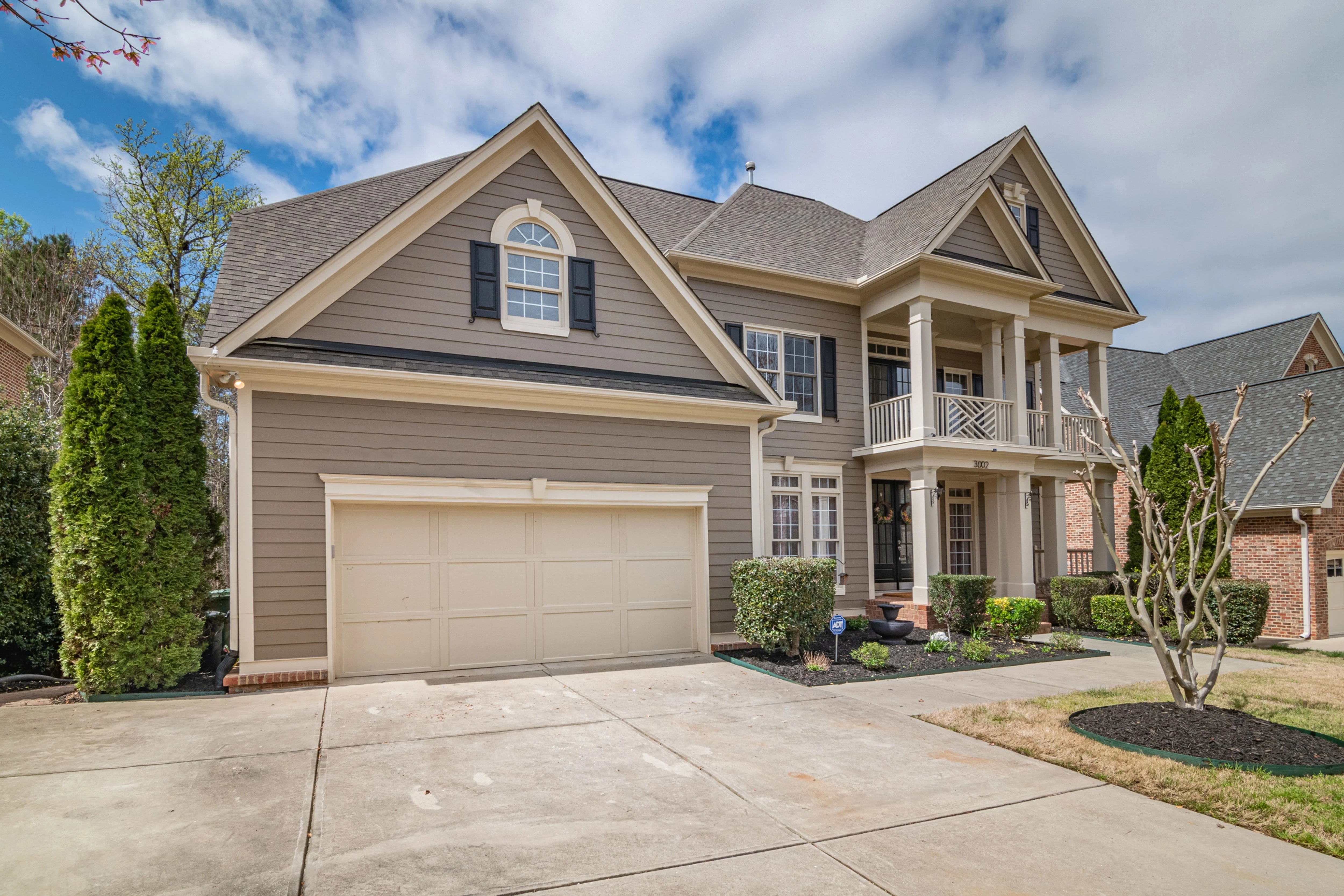
Because most housing in the area - across Mooretown, Sunset Acres, Cedar Grove, Broadmoor, and the other neighborhoods that make up this stretch of Shreveport - went up in that same 1980s-90s window, the doors are aging in sync. We see the same failure patterns move through a subdivision within a year or two of each other: springs rated for a certain cycle count all installed around the same time, all reaching the end of that count around the same time. That's not a coincidence, it's just what happens when a neighborhood gets built in a single wave.
What we find
Where People Go Wrong
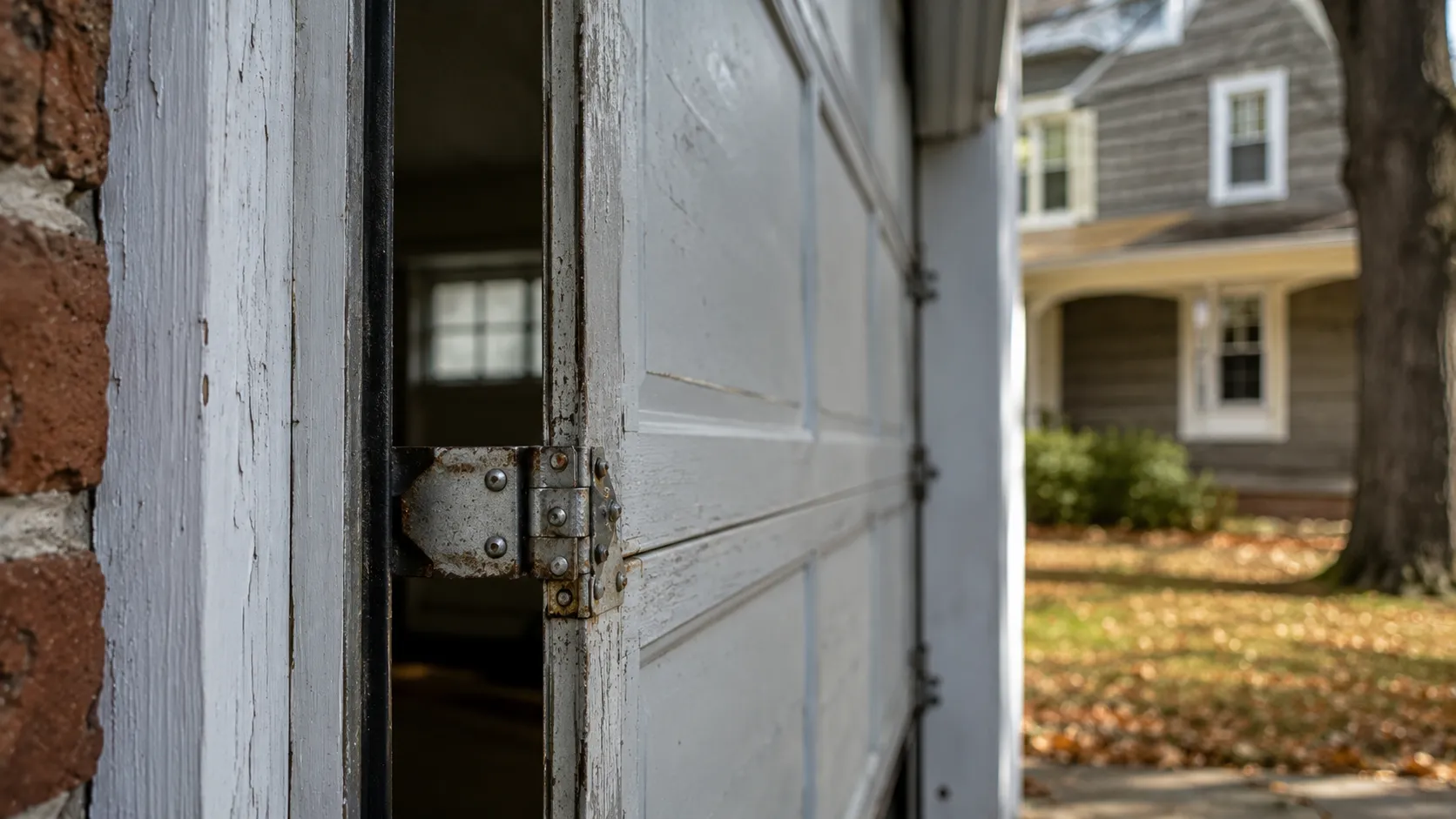
The most common mistake we see: a door built in the early 90s starts making noise or sags on one side, and the owner assumes the whole unit is shot. On a door this age, that's rarely true. The steel is usually fine. What's usually gone is a spring, a cable, or a roller - parts that get replaced in an afternoon, not a door that gets replaced in a week.
The opposite mistake happens too: someone keeps replacing individual parts on a door that's actually reached the end of its service life, throwing good money after bad because nobody told them the track itself was warped or the panels were rusting from the inside out. With 6,827 owner-occupied houses across this service area sharing roughly the same age of housing stock, we've had a lot of chances to see both mistakes play out, and neither one saves anyone money.
How we work
The Problem
An older door is worth fixing when the frame, panels, and track are still square and sound, and the failure is in a wear part - spring, cable, roller, hinge, or opener motor. Given that most doors in this service area were installed between 1981 and 1996, that describes the majority of the calls we get: doors old enough to have a worn part, young enough that the part is still a normal size and the door underneath it is still doing its job.
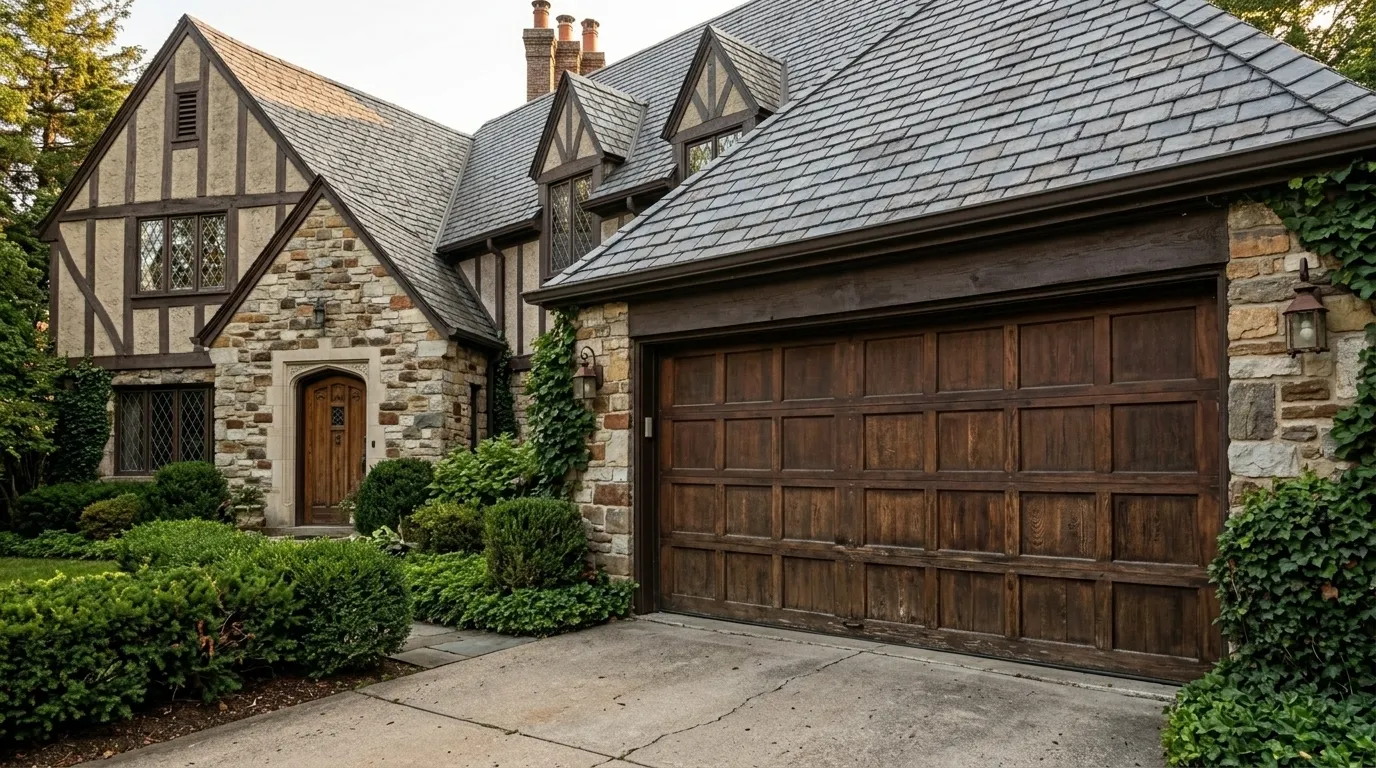
It's not worth fixing when the track has rusted through or bent badly enough that a new door frame comes into play, or when the panels themselves have rusted or delaminated - which happens on a slower timeline than the wear parts but does eventually happen on doors from this era. Honest limitation: we don't try to match discontinued panel styles from the 80s and 90s. If one panel on an otherwise good door is too far gone to source, we'll say so rather than promise a match we can't deliver.
Questions
Common questions
My garage door is from the original build of my house in the early 90s. Is it too old to repair?
Not on its own. A door from 1981-1996 is usually steel sectional on standard torsion hardware, and parts for that setup are still made. Age alone isn't the deciding factor - what matters is whether the track and panels are still square and sound. If they are, a worn spring or roller is a normal repair, not a reason to replace the whole door.
Why did my neighbor's door break the same month as mine?
A lot of this area was built in the same 1980s-90s wave, so springs and rollers installed around the same time tend to wear out around the same time too. It's not a bad batch or bad luck, it's just that doors installed together tend to fail together once they hit the end of their cycle count.
Does the heat here actually affect garage door parts?
Yes, though moderately. Sustained warm weather dries out lubricant and nylon rollers faster than a cooler climate would, which is part of why a quiet door in its first ten years can start grinding by year twenty. It's steady wear, not sudden failure from any one hot spell.
Ready when you are
Need a garage door sorted in Shreveport?
Shreveport Garage Door Pros repairs and installs garage doors, springs and openers in Shreveport, LA and the surrounding area.