
Guide
When a Spring Goes in Cold Weather: A Shreveport Homeowner's Guide
Shreveport homes built 1981-1996 are hitting the age where torsion springs fail, and a cold front can be the final push. Here's what that costs and why.
Local detail
What You Pay
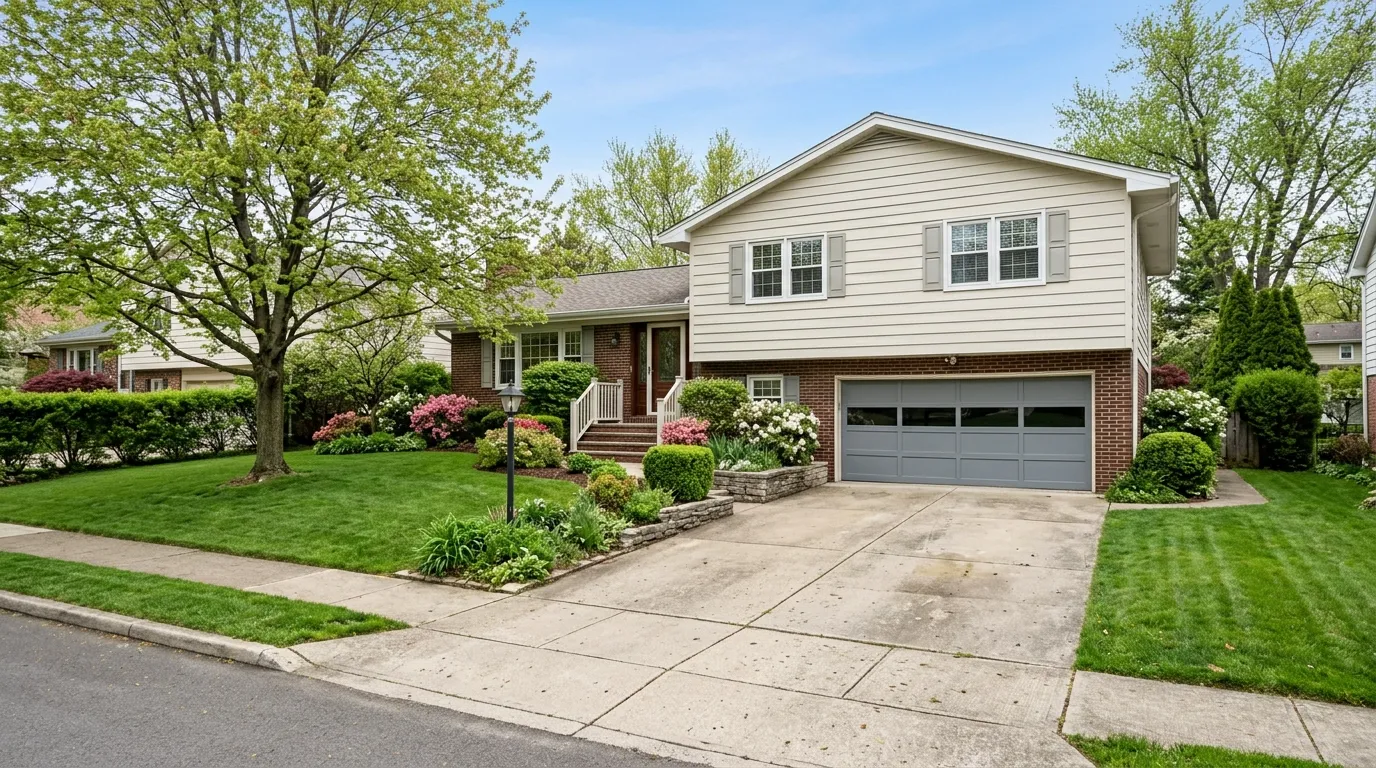
We're not going to give you a number here, because we don't have one that's honest without seeing the door. What we can tell you is what drives the cost up or down. A single torsion spring replacement on a standard door is a different job than a two-spring setup on a heavier insulated door, and a lot of the doors going up in Shreveport in the 1980s and 90s used spring sizes and drum setups that aren't the same as what's sold today.
If your door was installed when the house was built - and across this service area that's most commonly 1981 to 1996 - the spring on it has likely already outlived its rated cycle count. That changes the job from "replace one part" to "replace the part and check the drums, cables, and bearing plate it's been straining against." The honest limitation: we can't quote a firm price over the phone before someone's looked at the hardware, because a 30-plus-year-old spring rarely fails alone. If it went in cold weather, there's a decent chance something else on that same shaft took stress with it.
The area
What Local Conditions Do
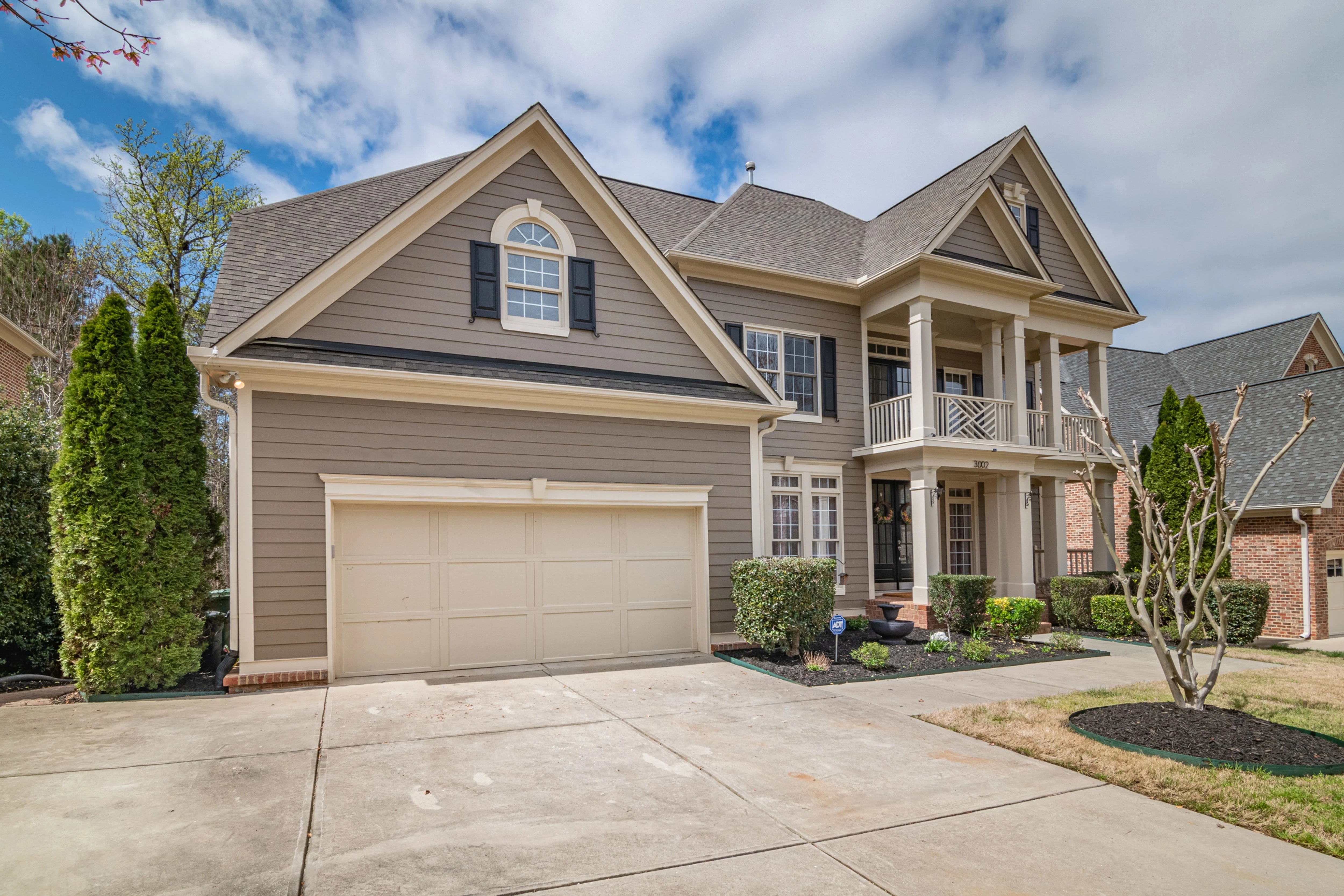
Shreveport sits in a moderate heat climate band, not a harsh winter one, and that's exactly why cold-weather spring failures catch people off guard here. A spring that spends most of the year cycling through heat doesn't get the kind of steel that's built for sudden cold - it gets softer, more fatigued, more prone to a sharp temperature drop finding the one weak coil and snapping it.
When a cold front comes through and the metal contracts fast after months of expansion, that's often the day the spring goes, not because the cold itself is severe, but because the spring was already worn down by a moderate-heat climate that never let it rest. Add to that the age of the housing stock - built mostly in the 1981-1996 window across the eight main pockets of this service area - and you've got original or first-replacement springs that are now old enough that a cold snap is just the last straw, not the cause.
What we find
Where People Go Wrong
The most common mistake we see is someone hearing a loud bang from the garage, noticing the door is heavy or won't open, and assuming it's the opener. It's usually not. An opener motor doesn't care what the temperature is; a torsion spring does.
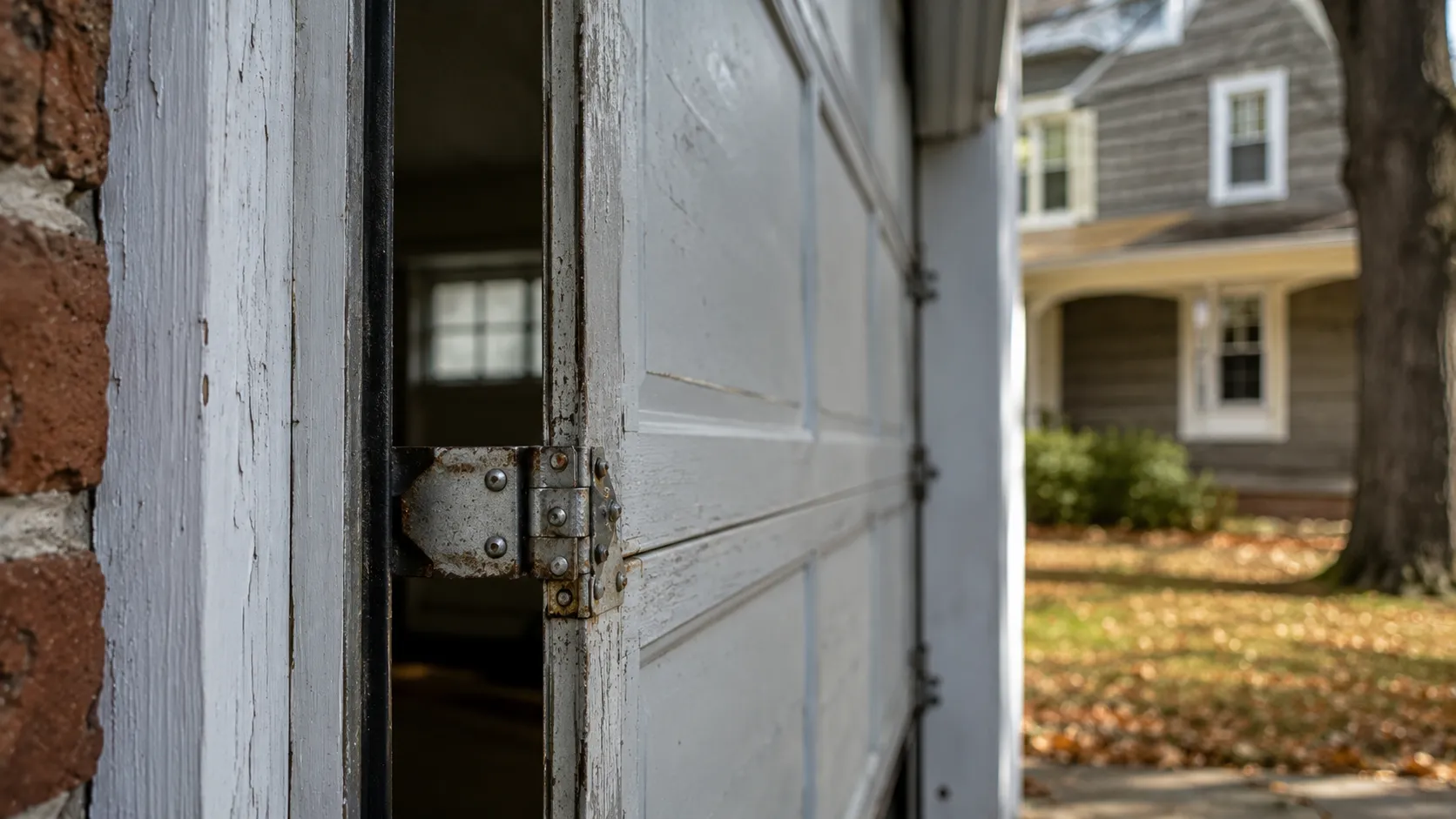
The second mistake is trying to wind or unwind the spring themselves, especially on the older setups common in houses from the 1980s and 90s, where the winding cones and center bracket have had decades to corrode or wear. That's not a place to improvise - a spring under tension that lets go while someone's hands are on it can break bones. The third mistake is waiting.
A door that's hard to lift by hand because a spring already broke will keep straining the opener every time someone uses the wall button, and that usually turns a spring job into a spring-plus-opener-gear job. If the door feels heavy or one side sags after a cold morning, that's the signal to stop using the opener until it's checked, not to push through it.
How we work
The Problem
Here's the mechanism, plainly: a torsion spring is wound steel under constant tension, and its whole job is to counterbalance the weight of the door. Steel contracts when it gets cold. If a spring has already been fatigued by years of heat-cycle expansion and contraction - which describes most of the springs still in service on houses built in the 1981-1996 window - a fast temperature drop can be the moment a weakened coil finally gives.
It usually happens without warning: the door was fine the day before, and then it's not. Across a service area with 6,827 owner-occupied houses and total households near 10,769, a lot of that hardware is the same age and under the same seasonal stress, which is why we see clusters of spring calls right after a cold front moves through rather than a steady trickle year-round.
Questions
Common questions
Why would a spring break on a cold day if Shreveport doesn't get that cold?
It's not the cold alone - it's a spring that's already fatigued from a moderate heat climate finally meeting a fast temperature drop. The contraction is the trigger, not the whole cause. Springs on houses from the 1980s and 90s are often past their rated life by the time a cold front exposes the weak point.
Can I replace a torsion spring myself?
We'd rather you didn't. A wound spring under tension can cause serious injury if the winding cones or center bracket let go, and on older houses those parts are often corroded or worn in ways you can't see until you're already working on them.
How do I know if it's the spring or the opener?
If the door feels unusually heavy when you lift it by hand with the opener disconnected, that points to the spring. If the opener runs but the door doesn't move, or moves partway and stops, that's a different problem. Either way, stop using the automatic opener until someone's looked at it.
Is my house likely to have an original spring still on it?
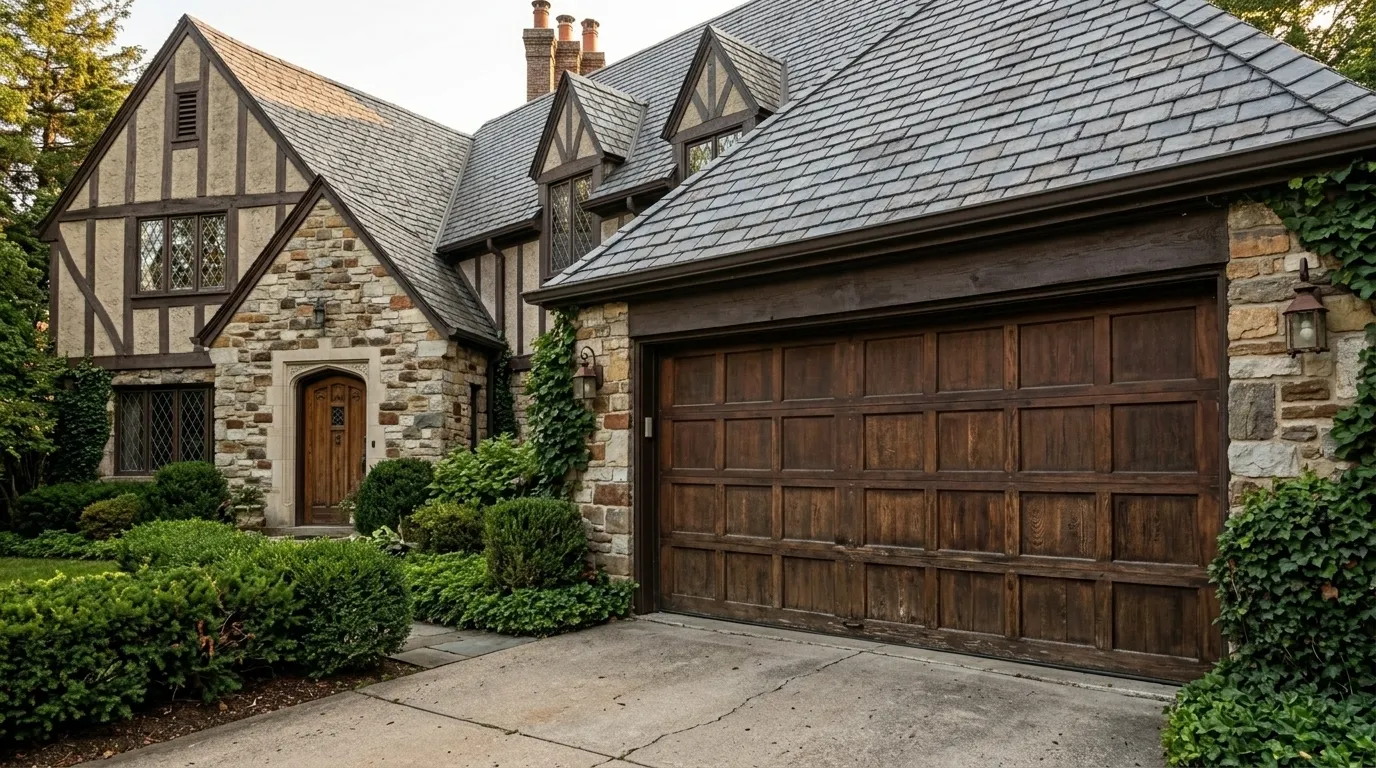
If your house was built in the 1981-1996 range, which covers most of this service area, there's a real chance the spring has been replaced once already, but plenty haven't. Age of the house alone isn't proof, but it's a reasonable flag to get it checked before a cold front does the deciding for you.
Ready when you are
Need a garage door sorted in Shreveport?
Shreveport Garage Door Pros repairs and installs garage doors, springs and openers in Shreveport, LA and the surrounding area.