
Guide
What a Service Call Actually Covers in Shreveport
A breakdown of what a Shreveport Garage Door Pros service call covers, tied to this area's 1980s-90s housing stock and moderate heat, not generic advice.
Local detail
What You Pay
We don't post a flat number here because what a call costs depends on what's actually wrong, and on a door that's been running since the 80s or 90s, that's rarely one thing. A service call covers the diagnostic time, the labor to fix or adjust what's found, and any parts needed on the spot. What it does not automatically cover is a full opener replacement or a new spring set ordered special, since some hardware from that era isn't stocked on the truck.
Median household income across this service area sits around $60,142, and that shapes how we quote work: we tell you what's wrong and what it costs before we touch anything, and we'll tell you plainly when a repair isn't worth it against replacing an aging unit. With 6,827 owner-occupied houses among 10,769 households out here, most of what we see is original equipment nearing the end of its expected life, not a random breakdown. That changes the conversation from "fix this part" to "is this door worth fixing at all," and we'd rather have that conversation up front than pad a bill.
The area
What Local Conditions Do
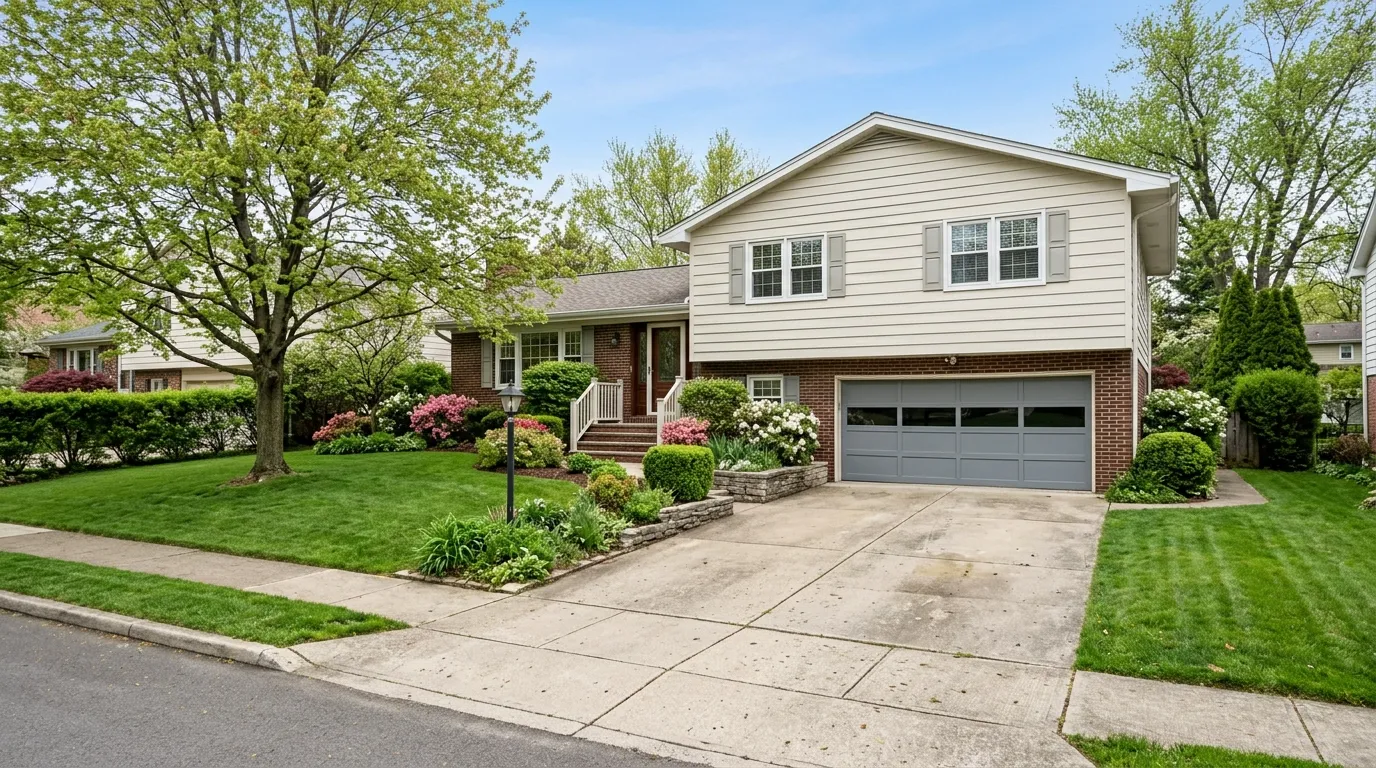
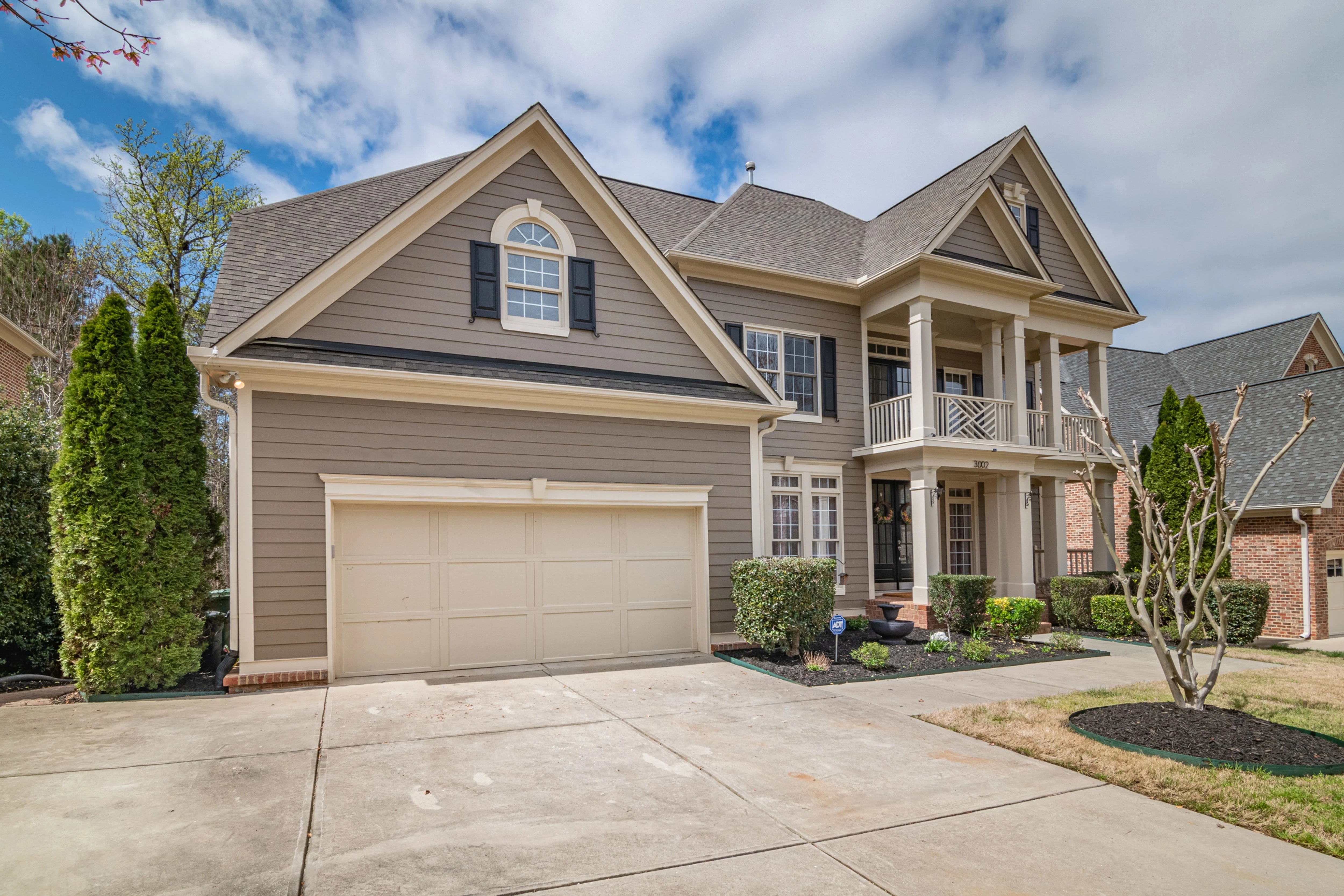
Most houses across this service area went up between 1981 and 1996, median right around 1993, across areas like Mooretown, Sunset Acres, Caddo Heights, and South Highlands. That means the doors, tracks, and openers we're called out to are original or close to it, built to specs from before insulated steel doors and modern safety sensors were standard.
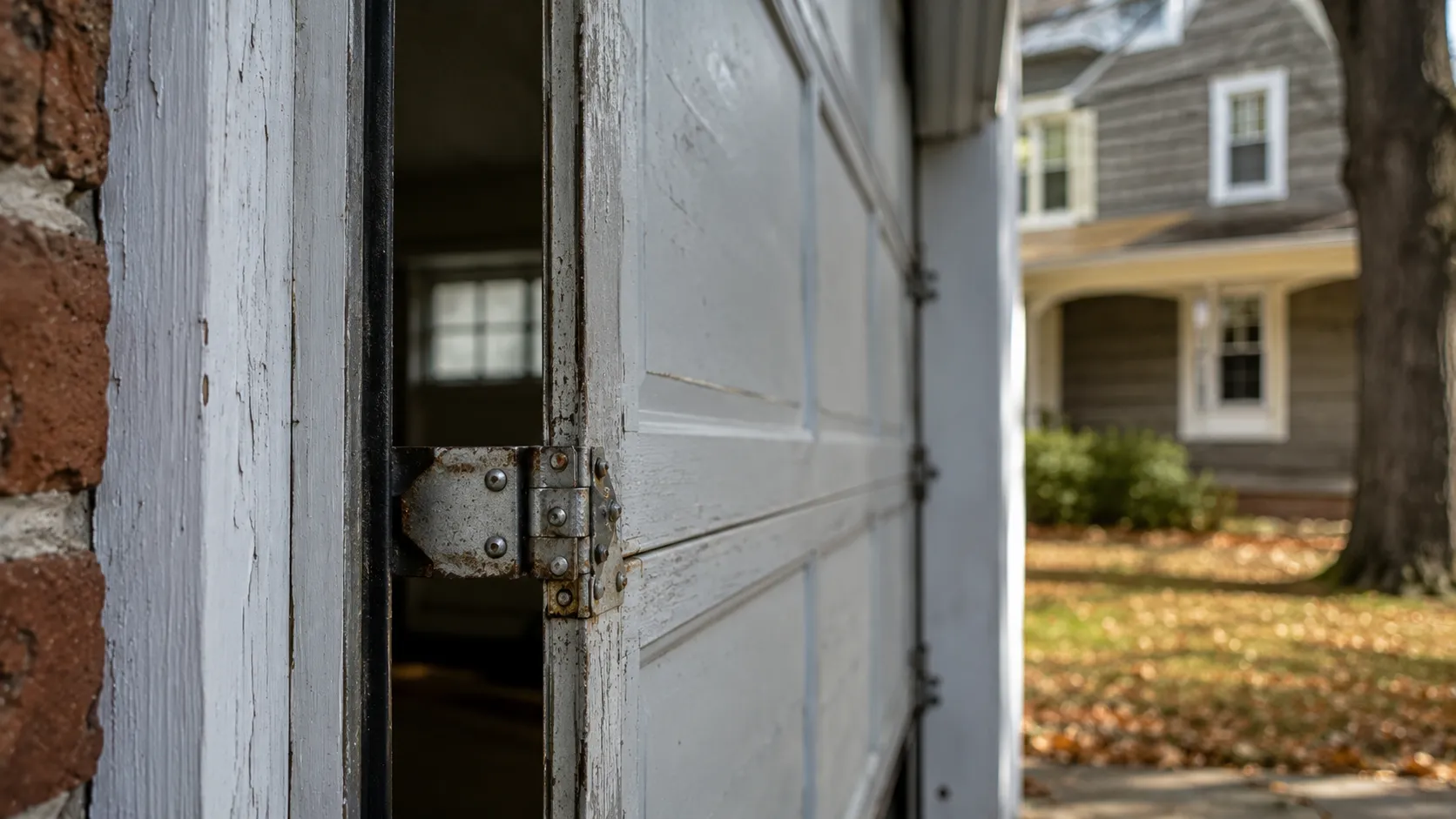
Shreveport sits in a moderate heat band, and that matters more than people think for a door that age. A steel panel from the early 90s wasn't built with today's insulation core, so it absorbs and radiates more heat through a summer afternoon. That heat cycle dries out weatherstripping, swells wood-trimmed jambs on older builds, and stresses nylon rollers that have already done three decades of work. Openers from that same period run older logic boards and photo-eye sensors that drift out of alignment as the door frame shifts with heat and settling.
None of this is dramatic. It's slow wear, the kind that shows up as a door that's a little louder, a little slower, or a little harder to align than it used to be. That slow wear is what most calls out here actually are.
What we find
Where People Go Wrong
The most common mistake we see is a homeowner treating a 1980s or 90s torsion system like a modern one. Track widths, drum sizes, and spring wind counts were set for the door weight and material common when these houses were built, and they don't match what's sold off the shelf today. Out toward Haughton or Stonewall, we've seen extension springs swapped in where the original torsion setup called for something else entirely, because that's what was available, not what fit.
The second mistake is ignoring the opener until it fails outright. On a door built in this era, the opener's photo-eye sensors and limit switches are usually the first things to drift, well before the motor itself gives out. A call that starts as "the door won't close all the way" is very often a sensor alignment issue that's been building for months, not a sudden failure.
The honest limitation here: we don't carry every obsolete part for hardware from the early 90s on the truck. Some drums, some specific spring wind counts, and some opener logic boards from that period are special order, and that means a second visit isn't always avoidable.
How we work
The Problem
The core issue in this service area isn't damage, it's age lining up with heat. A torsion spring rated for a door built in 1993 has had thirty-plus years of daily cycling under a moderate heat load, and metal fatigue doesn't announce itself before it lets go. Cables fray the same way, quietly, until one does snap.
Across the eight named areas of mostly 1980s-90s stock in this service area, that means a lot of doors are sitting right at the point where a repair and a replacement cost close to the same, and the repair only buys another year or two before the next part goes. We'd rather tell you that up front on the first visit than have you pay for a spring today and a cable next spring.
This isn't a call to panic about your door. It's a call to know what you're actually dealing with: original-era hardware, moderate heat cycling every summer, and a lot of neighbors nearby dealing with the exact same wear on the exact same timeline.
Questions
Common questions
Why does my door act up more in summer?
Doors built in the 80s and 90s common to this area don't have the insulation core that later steel doors do, so they absorb more heat through a summer afternoon. That heat cycle dries weatherstripping and can throw off opener sensor alignment, which is why summer calls often turn out to be sensor or seal issues rather than a broken part.
Is a service call the same price no matter what's wrong?
No. A call covers the diagnostic visit and whatever labor and on-truck parts are needed. Anything special order, like an obsolete spring size or an older opener board common on original 90s-era installs, adds to the visit because it isn't stock inventory.
My spring just snapped, is that unusual?
Not for a house built in the era common across this area. A torsion spring rated for a door from the early 90s has had decades of daily cycling, and metal fatigue doesn't give much warning. It's one of the most common calls we get on original hardware this age.
Should I repair or replace an original door from the 80s or 90s?
It depends on what's failing. If it's one part, like a cable or a sensor, repair makes sense. If the track, spring, and opener are all original and all near end of life, replacing often costs close to the same as repeated repairs and buys you years instead of months.
Ready when you are
Need a garage door sorted in Shreveport?
Shreveport Garage Door Pros repairs and installs garage doors, springs and openers in Shreveport, LA and the surrounding area.